Our national broadcaster is doing serious public harm by misinforming us about the importance of and the science behind moving to plant-based diets


Our national broadcaster is doing serious public harm by misinforming us about the importance of and the science behind moving to plant-based diets

If you’ve been meaning to make that move and incorporate more plant foods into your daily routine, we have some pointers to get you there faster.

Even as 2023 saw record-breaking global temperatures, global efforts to tackle the climate crisis have largely failed to acknowledge the need to transition our food system to more sustainable, compassionate and healthy plant based diets. However, there has been some positive progress. This blog recaps some of the year’s significant events, with links to many of our blog posts from 2023.
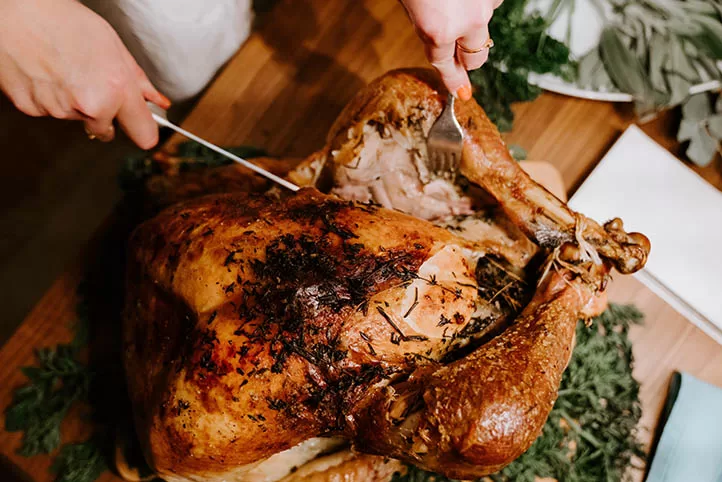
This Thanksgiving Day, perhaps we should consider just what it is that we are thankful for and how we can make sure that those generations who follow us will be thankful, too. Because, the fact is, if we keep on living the way we are, it won’t be long before there will be very little to be thankful about. Perhaps we can begin by listening to the experts.

This is a guest blog post by Julien Hivon, who is a representative of the vegan investment group GIVE. Earthsave Canada does not provide financial or investment advice. For advice on your specific situation, please contact your financial advisor or planner.

A 2021 report entitled 1.5-Degree Lifestyles investigated GHG emission and lifestyle patterns in ten countries, including Canada, to identify what life might look like in 2030 to avoid warming over 1.5C by 2050. The results confirm that the shift to plant-based diets can have enormous impacts.
This article also appeared in print in the National Post.
Research shows that our impact on the planetary biosphere is enormously damaging. And it is mostly due to what we put on our plates. The good news is we have the power to change that.
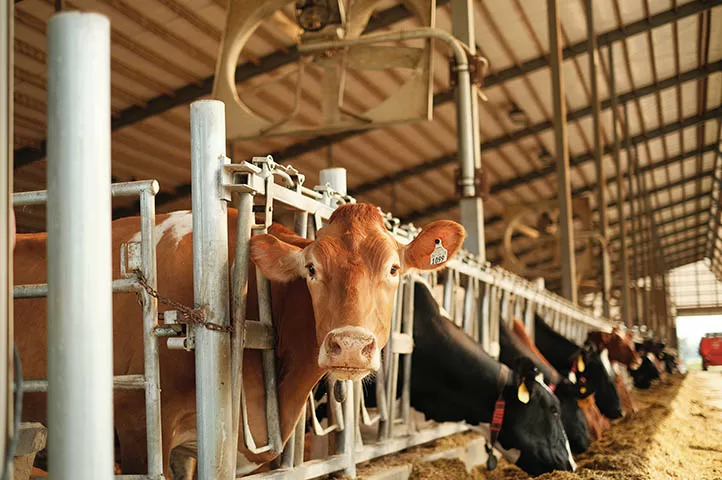
In this guest blog, animal welfare scientist Dr. Roi Mandel Briefer explains how a recent study debunks the common misconception that raising cattle for meat is more harmful than raising them for dairy
An insightful guest blog by Cloé Sousa, who interrogates the hypocrisy of the menu at the COP27 Climate Change Conference.

The recent 2022 UN Biodiversity Conference, COP15, came to a close to much fanfare. However, the delegates chose to ignore one of the main causes of biodiversity loss. We cannot continue to ignore the elephant in the room.


According to this new study, ants are constantly updating and adjusting their memories - something that scientists didn't expect. Read the study at link.springer.com/article/10.1007/s10071-026-02089-7

Not mentioned, beyond obliquely, is the fact that animal agriculture is responsible for the great majority of biodiversity loss. Until these articles get more honest,
Protecting nature means valuing biodiversity
Appeals for extra money are failing. Fundamental changes are needed to safeguard the planet for future generations.

The latest State of the Climate Report is out. "Human activities, including energy use, food production, economic growth, and land-use change, continue to drive many
© 2026 · Earthsave Canada.