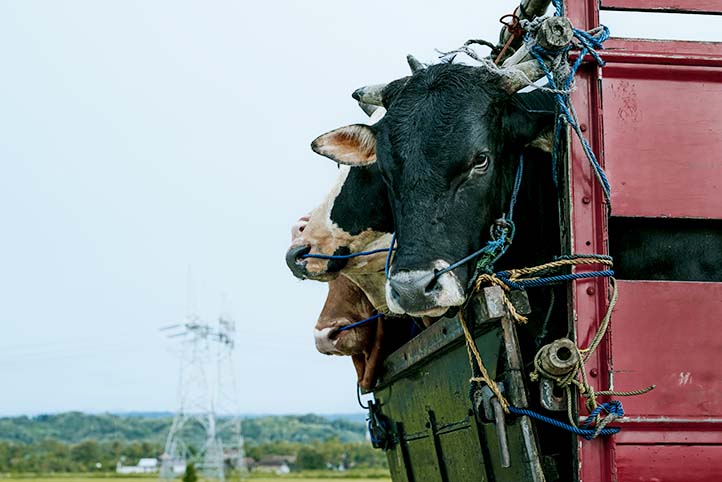
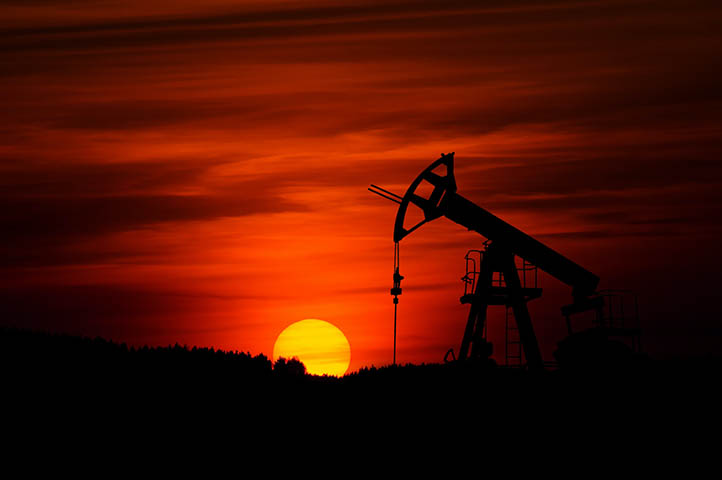
Sixty years ago, we used only 1/4 as much oil, per person, to produce our food as we do now. In the not-too-distant future we will have no choice but to do with a lot less than that. Let’s do our very best to make sure the transition is as painless as possible.
It seems obvious enough. If you’re concerned about cows, dairy’s the way to go. Nobody gets killed, right? The cows […]
We’ve outgrown omnivorism
By David Steele and Denise Swanson Many question whether humans are ‘naturally’ herbivores or omnivores. The omnivore camp argues that […]
A sustainable silver lining
This spring, three major reports came out telling us that if we don’t change our ways soon, we’re looking at […]
Why say no to GMOs?
by David Steele For a lot of very good reasons, a growing number of people are concerned about genetically modified […]
CAFOs, or Concentrated Animal Feeding Operation. Over 168 gases are emitted from CAFO waste, including hazardous chemicals such as ammonia, […]
How to pay less for healthy food
Think that you can’t afford to eat a whole foods plant-based diet? You can’t really afford not to. Is it […]
Can we end alzheimer’s?
Alzheimer’s disease is the fastest growing health threat in the United States, according to a new landmark report from researchers at the University of Washington in Seattle. The numbers are staggering. A 2013 study in the journal Neurology found that the number of people with Alzheimer’s disease will jump from 4.7 million to 13.8 million by 2050. The associated health care costs will skyrocket.
Leo Tolstoy once wrote, “Spring is the time of plans and projects”. Ample evidence of this can be seen by […]
Holiday Helper
Festive dinner turning into fight night? Try these holiday helper tips and have yourself a gracious gathering… You accepted the […]
Recent Posts
Engage with us on facebook
"Youngsters who learned by watching others also tended to continue manipulating new objects or trying new foods for about 145 minutes after they had closely
Copying others can help young orangutans build a broad diet | New Scientist
Orangutans spend more than eight years learning how to cope on their own, and now we have a clearer idea of how they work out which foods to incorporate into their diet
And moving to vegan diets would do far better than even this! "The team modeled what would happen if the world actually switched to sustainable
What happens to the world's farms if everyone eats less beef?
Researchers ran the numbers on a worldwide sustainable-diet transition—and found a food system that looks nothing like today’s.