Recently, the World Resources Institute (WRI) released a report which they say quantifies the sources of greenhouse gases in the […]


Recently, the World Resources Institute (WRI) released a report which they say quantifies the sources of greenhouse gases in the […]
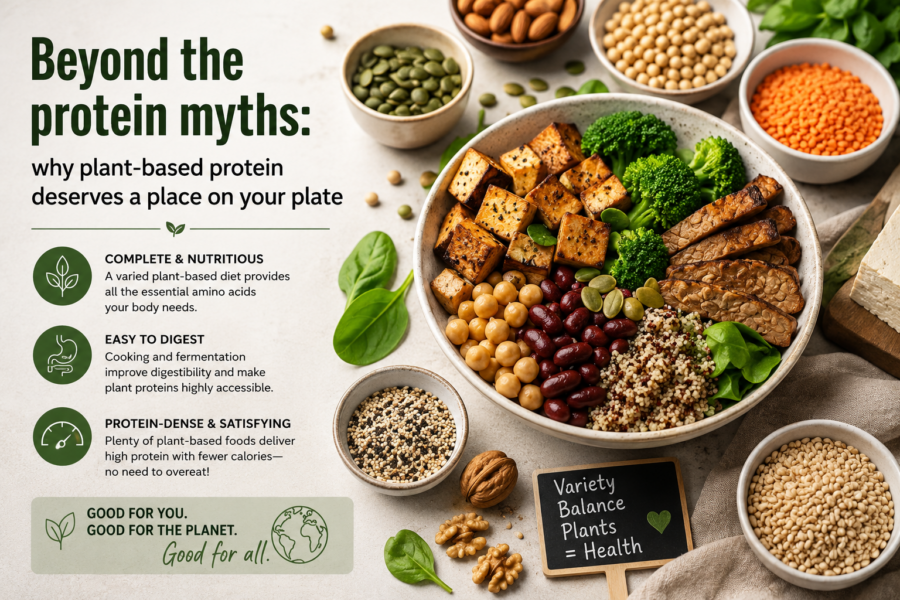
Protein is, without a doubt, the superstar of modern nutritional spin. Aided by the increasing emphasis on healthy lifestyles, protein-rich […]
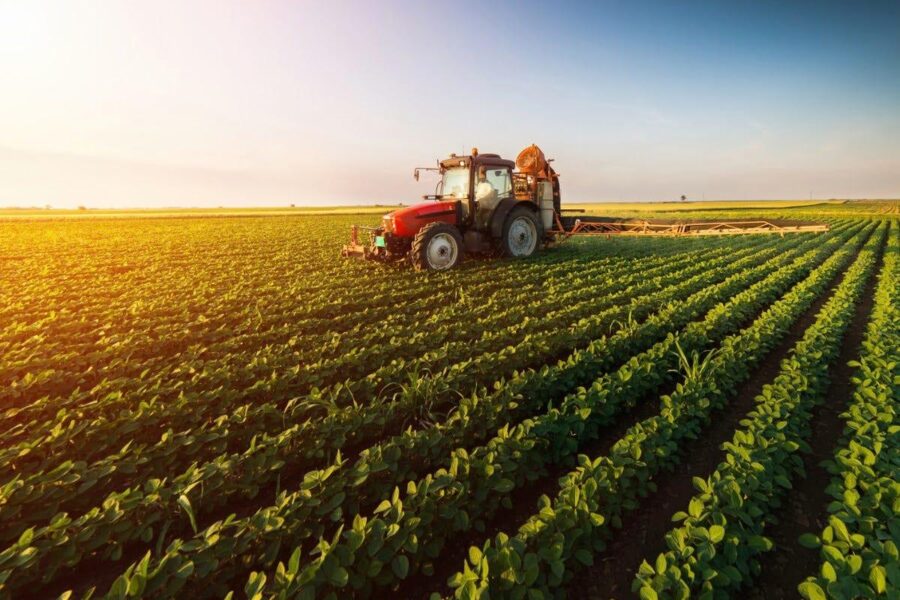
It’s a tale of two documents, emerging from the parallel conferences held in the same city. One closely reflects the […]
The United Nations Environment Program (UNEP) has released their latest Global Environmental Assessment, titled A Future We Choose (1). It […]

The latest State of the Climate Report issues a dire warning. Fortunately, we can still turn things around – IF we make the right choices.
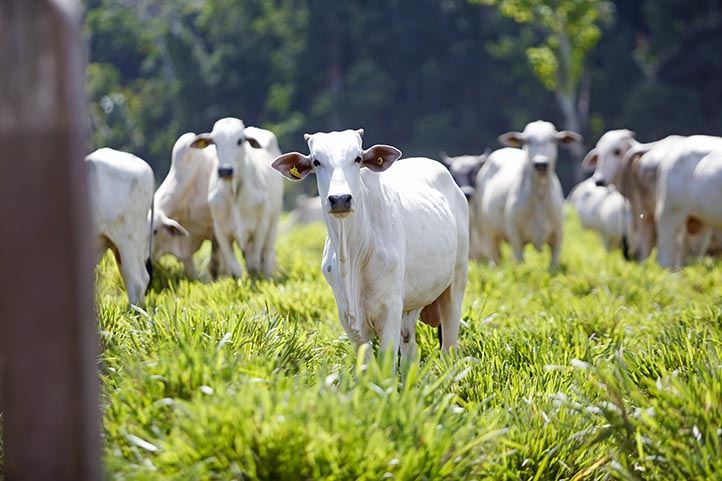
The 30th climate edition of COP, happening in Brazil this November, will be an opportunity to address the outsized impact of animal agriculture on the climate crisis. The host country should lead by example – and so should Canada.

A recent systemic review of clinical trials published in the American Journal of Clinical Nutrition found that most independent studies indicate unprocessed red meat consumption has an unfavourable effect on cardiovascular disease risk, while favourable effects were only found in red meat-industry related studies. This finding indicates that industry related studies are less trustworthy than those funded independently, and supports the recommendation to replace unprocessed red meat with plant-based proteins to enhance cardiovascular health.

The New York Times recently asked a group of leading climate experts a big question—what’s the single best thing we can do for the planet—and their answers remind us that real change starts with rethinking how we live, and becoming part of a movement for change.
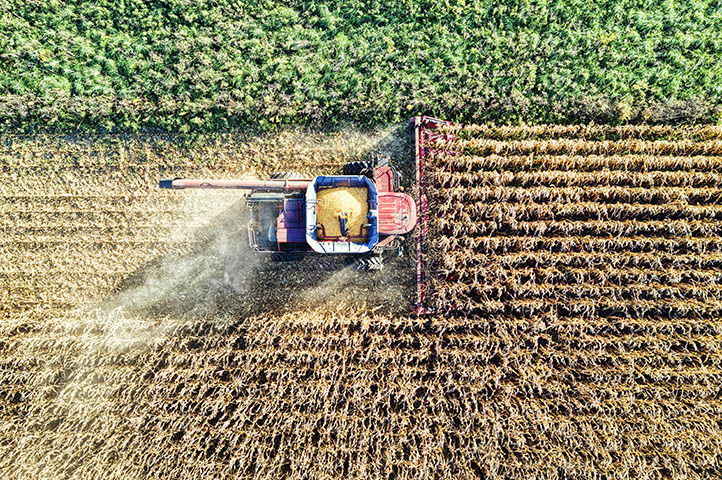
Bill C-293 is a rational response to a serious threat. It aims to reduce the likelihood of pandemics arising within our borders and to bolster our responses to any pandemics that may nevertheless arise here or arrive on our shores.

It may surprise you, but the prices we pay at checkout for our foods are often quite different from the […]


"Orangutans hold the record for diligent maternal care, which lasts as long as eight or more years before youngsters can be weaned and forage independently.
News - School of Psychology and Neuroscience - University of St Andrews
Copying mother: The surprising depth of culture shaping young orangutans’ lives | University of St Andrews

"My trials kept showing me that food is one of the rare places where the ledger balances immediately, in the same body, in the same
Many choices we ask people make to help the climate don’t reveal immediate results. But we found that changing diets can have a climate benefit and quickly reduce some health risks.

"The study analyzed data from nearly 90,000 adults as part of the NutriNet-Santé project in France, which investigates the impact of nutrition and lifestyle on
© 2026 · Earthsave Canada.