Wasted food is an important issue that we can all take action on. 63% of food thrown away by Canadian households could be avoided. Small changes can help the environment and save you money!
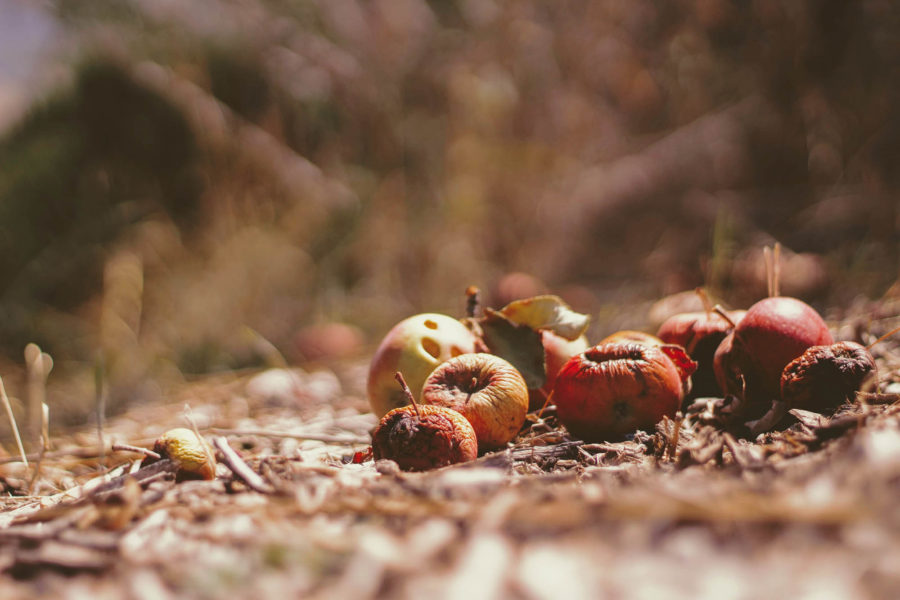

Wasted food is an important issue that we can all take action on. 63% of food thrown away by Canadian households could be avoided. Small changes can help the environment and save you money!

Fireworks are considered exciting entertainment by a lot of people. However, many cities have been taking a closer look at the harms that fireworks can cause to animals, the environment, and humans. Perhaps alternatives are needed.

This holiday season was unusual for all of us. For me, one perk of a quiet holiday was extra time to experiment with new recipes. Cooking and baking, even with no dinner parties to attend, helped me to embrace the calm and coziness of the season and bring some warmth and joy into my home.

Remember, we didn’t all come together and decide that eating a diet heavy in animal products is a good idea. A lot of factors got us to where we are, but for most of us, we just grew up eating what our parents gave us and continued with a similar pattern in adulthood because that’s what we knew.
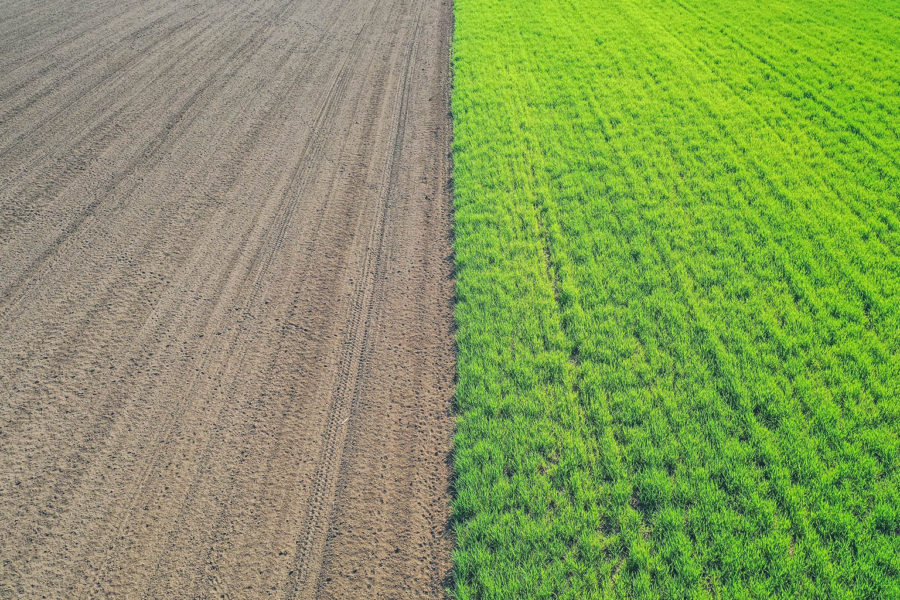
The United States is losing soil 10 times faster than it can be replenished; the rate of soil loss in China and India is over three times that. Pimentel reports that over just the last four decades of the 20th century, some 30% of the world’s arable land became unproductive. Half of the topsoil in the breadbasket of North America has been lost since 1900.
Shelley also wrote about how a vegetarian diet is better for the environment, noting: “the quantity of nutritious vegetable matter, consumed in fattening the carcase of an ox, would afford ten times the sustenance if gathered immediately from the bosom of the earth.”6 It is interesting to see how, despite being so long ago, Shelley touches on many of the modern arguments for a vegan diet.
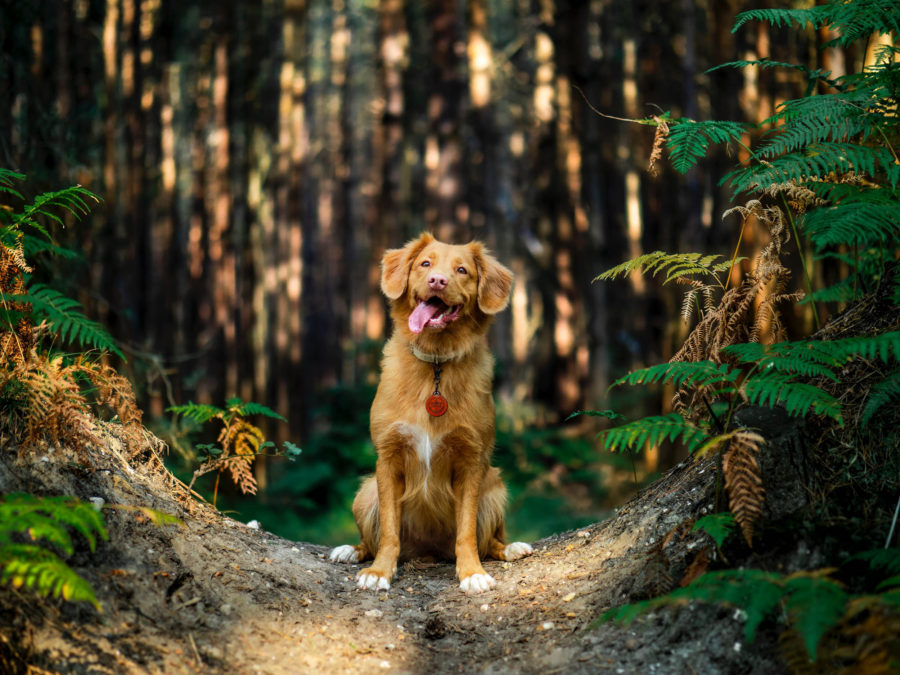
The commercial plant-based dog foods available today do an excellent job at meeting the nutritional needs of our dogs, without the deleterious environmental, health, and animal welfare impacts of meat-based dog foods.

It seems clear that the recent attacks on “veggie burgers” and dairy alternatives are not really about protecting consumers from being misled.
The authors find that widespread adoption of vegan diets would be – again, by far – the most effective approach.

Ahead of the big day at the end of the month, I wanted to share some vegan Halloween resources, tips and tricks I’ve come across.


""The year of the fire gave us a unique opportunity: We were able to observe how the animals react when a normally reliable food source
Guinea baboons respond flexibly to changing environmental conditions
Climate change is affecting the environmental conditions of wildlife around the world: Rising temperatures, changing precipitation patterns and more frequent extreme weather events can lead to important food sources becoming unavailable, at least temporarily. How well animals cope with such changes....

"The crops we feed farm animals like soy and corn are a big part of the meat industry’s massive environmental footprint. Producing these crops accounts
The Hidden Mining Cost of Meat and Seafood
Most life-cycle assessments of meat, dairy and fish leave out the minerals added to feed.

"Not eating red meat appears to yield modest but measurable cardiometabolic benefits." ----- "Alpha-gal syndrome, a tick-borne allergy to mammalian meat, leads to an abrupt
The Health Effects of Eating Red Meat: A Natural Experiment in Alpha-Gal Syndrome
Founded in 1920, the NBER is a private, non-profit, non-partisan organization dedicated to conducting economic research and to disseminating research findings among academics, public policy makers, and business professionals.
© 2026 · Earthsave Canada.