• Why Plant-Based?
    • Overview
    • Sustainability
    • Better health
    • Compassion for animals
  • Resources
    • Virtual speaker series
    • Speakers program
    • Pamphlets
    • Newsletters
  • Blog
  • About Us
    • Who we are
    • Contact us
  • How to Help
    • Join us
    • Donate
  • Subscribe to Newsletter
Earthsave CanadaEarthsave Canada
  • Why Plant-Based?
    • Overview
    • Sustainability
    • Better health
    • Compassion for animals
  • Resources
    • Virtual speaker series
    • Speakers program
    • Pamphlets
    • Newsletters
  • Blog
  • About Us
    • Who we are
    • Contact us
  • How to Help
    • Join us
    • Donate
  • Subscribe to Newsletter

New science shows immense promise for rescuing ourselves

New science shows immense promise for rescuing ourselves

New science shows immense promise for rescuing ourselves

October 21, 2020 Posted by David Steele

We can slash both global warming and species extinctions by a simple change in our diets

A pair of very important papers has been published in the scientific literature over the last few weeks. Analyzing our effects on the environment, they note the terrible predicament that we are in but point to some very powerful solutions.

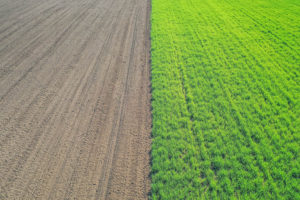
Most prominent among these studies was one published on October 14th in the prestigious scientific journal Nature. Titled Global Priorities for Ecosystem Restoration, the study finds that “rewilding” (that is, returning to nature) just 15% of current agricultural land in certain priority areas would yield enormous benefits. In relatively short order, it would sequester 30% of the CO2 that has been emitted by our burning of fossil fuels since the dawn of the Industrial Revolution. That is, it would remove that CO2 from the atmosphere. Further, it would prevent some 60% of the extinctions now expected to occur over the next several decades.

Digging further into the paper, one learns that were we to restore 30% of agricultural land to the wild, we could sequester fully half of the carbon we have poured into the atmosphere and rescue another 10% of the species now expected to go extinct. Importantly, the authors found that this approach of rewilding our land is among the cheapest possible approaches there is for absorbing and storing CO2 from the atmosphere.

While the article is behind a paywall, Nature provides a very good summary of it in a news piece published in the same issue. The Guardian has a similarly good summary that you can read here. As quoted in the Guardian, one of the study’s authors notes:

 “If restoration is not properly planned it could lead to a risk to agriculture and the food sector, but if done properly it can increase agricultural productivity. We can produce enough food for the world and restore 55% of our current farmland, with sustainable intensification of farming.”

And it gets better.

A second paper, published in Science of the Total Environment, another well-respected journal, finds that – by far! – the most effective step we can take towards making rewilding happen is to change what we humans eat. The authors find that widespread adoption of vegan diets would be – again, by far – the most effective approach. This is not surprising, as countless previous studies have shown the same. And, reading the paper, it quickly becomes very clear that we can rewild much more than 30% of the world’s agricultural land if we do so.

All of this comes in the context of the most extreme loss of Amazon rainforest in history – a combined result of global warming and accelerating “slash and burn” agriculture to feed the world’s voracious appetite for meat. Imagine how much good we can do by abandoning that demand for meat and allowing the land to return to supporting what it once so well supported!

These papers make very clear how fundamentally important it is that we adopt a vegan diet. No, this alone will not solve everything: we must drastically reduce our use of fossil fuels as well. And we’ll need to make very good provisions for supporting the farmers who will lose their incomes as we make the change – but that is a small price to pay for the opportunity to rescue humanity and other species from extinction. And we can do it in very large measure by simply eliminating animal products from our diets.

The data is on our side. We can rescue ourselves.


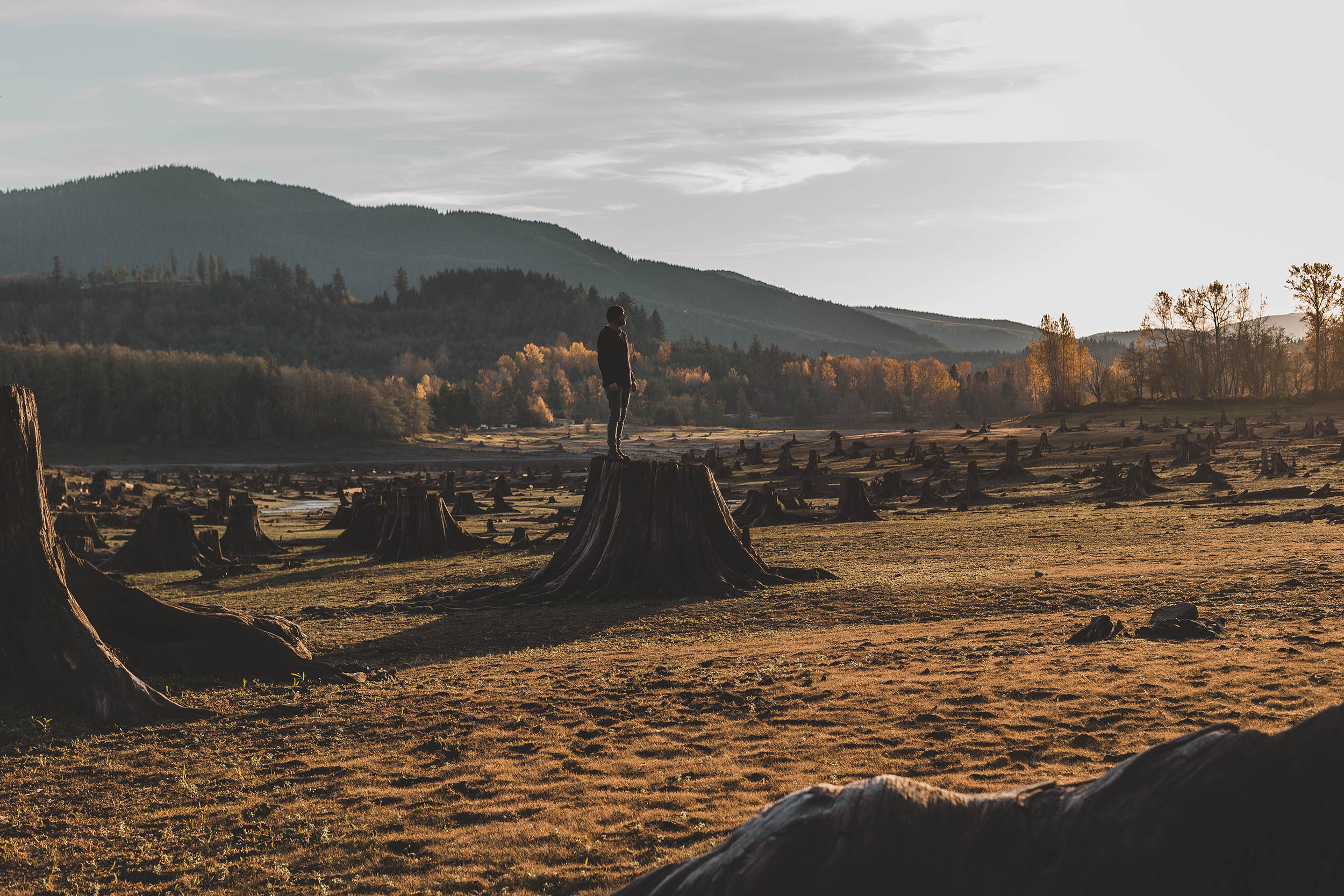
Photo by Dave Herring on Unsplash

Share
Avatar photo

About David Steele

David is a molecular biologist retired in 2013 from the Faculty of Medicine at the University of British Columbia. He has also held faculty positions at Cornell and Queen’s Universities. Dr. Steele is a frequent public speaker and a regular contributor to Earthsave Canada's publications. He is also an occasional contributor to various other publications.

You also might be interested in

2023 in review: Plant-based movement offers hope in the face of bleak environmental outlook

2023 in review: Plant-based movement offers hope in the face of bleak environmental outlook

Jan 4, 2024

Even as 2023 saw record-breaking global temperatures, global efforts to tackle the climate crisis have largely failed to acknowledge the need to transition our food system to more sustainable, compassionate and healthy plant based diets. However, there has been some positive progress. This blog recaps some of the year’s significant events, with links to many of our blog posts from 2023.

Meat just doesn’t cut it in today’s environment

Meat just doesn’t cut it in today’s environment

Jun 11, 2017

Humans may have evolved as omnivores, but insisting on eating meat today may threaten our very survival.

The meat paradox: how animal lovers eat meat

The meat paradox: how animal lovers eat meat

Apr 5, 2021

People often demonstrate an understanding that eating animals is unethical and unsustainable, but choose to do so, giving various reasons to rationalize this decision. This is an example of cognitive dissonance, the mental discomfort that results from holding two conflicting beliefs. In many cases of those who eat meat, the conflicting beliefs are “I love and care for animals” and “I eat meat”. This version of cognitive dissonance is often referred to as the “meat paradox” – in short, I don’t want to harm animals, but I eat animals.

Donate

Recent Posts

  • United Nations Environment Program: The World is In Grave Danger – But We Can Save It … and Thrive!
  • 2025 State of the Climate Report: A dire reality that we CAN turn around!
  • COP 30: The impacts of animal agriculture on the climate
  • Meat industry influence may lead to biased conclusions in nutrition studies

Follow us

Engage with us on facebook

Earthsave Canada

12 hours 22 minutes ago

:( :( :(

"Birds [who] spent more time at tourist sites were markedly more likely to die, while faster, farther-ranging birds lasted longer."

Ravens that take risks around humans are less likely to survive

A new study shows that fan-tailed ravens living near the Dead Sea are more likely to die when they spend time around humans.

2
View on Facebook
Share

Earthsave Canada

14 hours 29 minutes ago

"o bring some awareness to the state of our planet and its inhabitants, Joan Chan, a comic artist from Hong Kong, started a comic series

Artist Illustrates The Sad Reality Of Animal Cruelty And Shows How Factory Farming Harms Our Planet

Our ocean, land, and the array of species that call it home are succumbing to the poison of plastic. According to the United Nations, at least 800 species worldwide are affected by marine and land debris, and as much as 80 percent of that litter is plastic. It is estimated that up to 13 million metr

1
View on Facebook
Share

Earthsave Canada

17 hours 7 minutes ago

Biofuels, like animal agriculture, are utter insanity on any large scale. "Cheap biofuels are an illusion; someone, somewhere is paying the price through higher food

Why shipping’s cheapest alternative fuel could become its most expensive mistake

Cheap biofuels are an illusion: someone, somewhere is paying the price through higher food prices, deforested lands and disruptive climate impacts, writes Bryan Comer

View on Facebook
Share

© 2026 · Earthsave Canada.