
• Why Plant-Based?
    • Overview
    • Sustainability
    • Better health
    • Compassion for animals
  • Resources
    • Virtual speaker series
    • Speakers program
    • Pamphlets
    • Newsletters
  • Blog
  • About Us
    • Who we are
    • Contact us
  • How to Help
    • Join us
    • Donate
  • Subscribe to Newsletter
Earthsave CanadaEarthsave Canada
  • Why Plant-Based?
    • Overview
    • Sustainability
    • Better health
    • Compassion for animals
  • Resources
    • Virtual speaker series
    • Speakers program
    • Pamphlets
    • Newsletters
  • Blog
  • About Us
    • Who we are
    • Contact us
  • How to Help
    • Join us
    • Donate
  • Subscribe to Newsletter

Meat and dairy industry backlash against plant-based foods leads to labelling disputes

Meat and dairy industry backlash against plant-based foods leads to labelling disputes

Meat and dairy industry backlash against plant-based foods leads to labelling disputes

October 26, 2020 Posted by Jen Flood

Meat industry lobbyists in the EU recently failed in their attempt to prevent plant-based foods from being labelled with terms such as “burger,” “sausage,” or “steak.” Fortunately, the European parliament rejected their claim that the use of these meat-related terms to describe plant-based products, like “veggie burgers,” is misleading to consumers.

That said, the EU parliament reached a different conclusion regarding plant-based dairy alternatives. Plant-based products already cannot be labelled using dairy-related terms such as “vegan cheese” or “soy milk,” but the new decision goes further, restricting the use of comparative terms like “yogurt-style” or “cheese-alternative.” The Swedish oat milk company Oatly has called this “a wacko, incomprehensible direction to take in the middle of a climate crisis.”

These labelling battles are playing out worldwide, with Tofurky recently bringing a constitutional challenge to a new Louisiana law that prohibits the labelling of plant-based products with terms like “burger” and “sausage.” Similar laws and proposals in other U.S. states are also under dispute. 

Here in Canada, there have not yet been any legislative proposals to ban terms like “veggie burger,” though, like in the EU, the law is more strict when it comes to dairy alternatives. Words like “milk,” “butter,” and “cheese” cannot be used to describe non-dairy products, and in recent years some vegan businesses have come under scrutiny of the Canadian Food Inspection Agency as a result. These restrictions may be challenged in the future, with plant-based advocates arguing that these restrictions violate freedom of expression. 

With the rise in popularity of plant-based foods, backlash from animal exploitation industries is to be expected. Their market share is under threat as, more and more, the public is rejecting the environmentally destructive and cruel meat, dairy, and egg industries. It seems clear that the recent attacks on “veggie burgers” and dairy alternatives are not really about protecting consumers from being misled. On the contrary, as Oatly notes, the labelling restrictions actually make it more challenging for consumers to make informed decisions: 

Consider this. If a liter of cow’s milk generates 293% more greenhouse gas emissions than a liter of oat drink, doesn’t it make perfect sense that the number one priority of all those milk lobbyists is to forbid this weakness from being exposed? And when the Milk Lobby decides to flex its protein-rich muscles we all know what happens—the public loses out. How will consumers now be able to easily compare different food products in order to make more informed decisions about what they eat?

Much like ag-gag legislation, the labelling battles appear to be a clear attempt to silence those who are bringing the harms of animal products and the benefits of plant-based products to the public’s attention. 


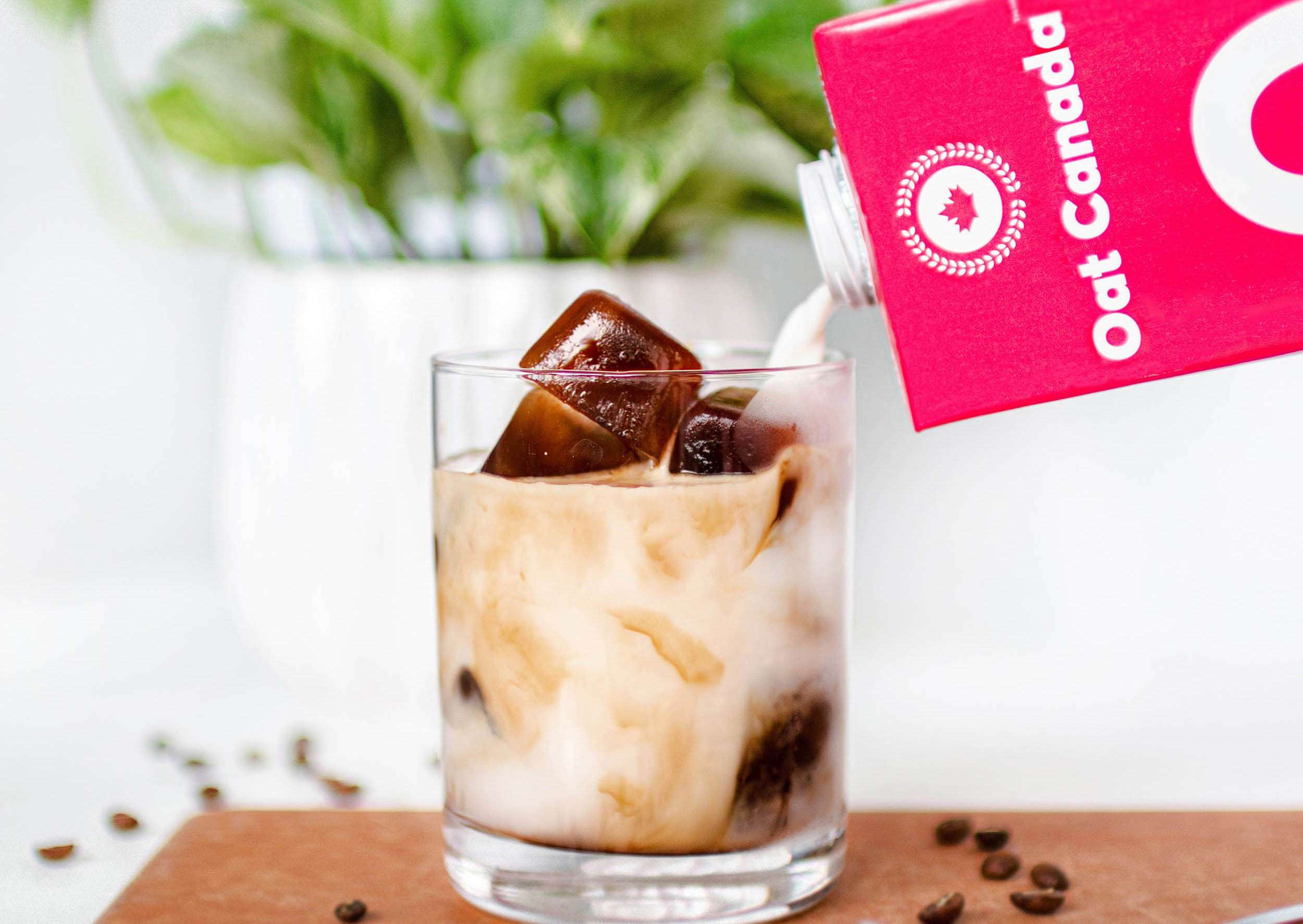
Photo by Oat Canada on Unsplash

Share
Avatar photo

About Jen Flood

Jen is a lawyer with a J.D. from UBC and a B.Sc. in physics from Queen's University. A vegan for over a decade and an avid cyclist, she joined Earthsave Canada in 2018.

You also might be interested in

Save the planet; invest in the vegan economy

Save the planet; invest in the vegan economy

Oct 5, 2023

This is a guest blog post by Julien Hivon, who is a representative of the vegan investment group GIVE. Earthsave Canada does not provide financial or investment advice. For advice on your specific situation, please contact your financial advisor or planner.

VEGAN 2020 documentary overview and discussion

VEGAN 2020 documentary overview and discussion

Feb 8, 2021

VEGAN 2020 is the sixth installment of a Youtube Documentary series released annually by Plant Based News. The film takes us through the year 2020 month-by-month, tracking both the tragedies and advancements within plant-based trends over the course of the global COVID-19 pandemic.

How to transition to a plant-based diet: 5 helpful tips!

How to transition to a plant-based diet: 5 helpful tips!

Jan 6, 2024

If you’ve been meaning to make that move and incorporate more plant foods into your daily routine, we have some pointers to get you there faster.

Donate

Recent Posts

  • A Tale of Two Santa Martas
  • United Nations Environment Program: The World is In Grave Danger – But We Can Save It … and Thrive!
  • 2025 State of the Climate Report: A dire reality that we CAN turn around!
  • COP 30: The impacts of animal agriculture on the climate

Follow us

Engage with us on facebook

Earthsave Canada

15 hours 2 minutes ago

"The findings, published in Science, indicate that ravens use spatial memory and navigation skills to search for food spread across large areas. According to Loretto,

Ravens Don’t Follow Wolves, They Predict Them

New research shows ravens use memory to locate areas where wolves are likely to make kills. Instead of trailing wolf packs, the birds rely on mental maps of productive hunting grounds.

2
View on Facebook
Share

Earthsave Canada

17 hours 1 minute ago

"Some fungi-based food companies, such as Quorn, use the term mycoprotein to describe a food ingredient derived from a type of edible filamentous fungi, Fusarium

Most Agree Fungi-Based Food Is a Greener, Meat-Like Protein

Survey says majority agree fungi-based foods are sustainable meat alternatives with a protein profile that’s similar to meat, despite knowledge gaps around the reasons why.

View on Facebook
Share

Earthsave Canada

19 hours 43 minutes ago

"Animals convert human-edible grain very inefficiently into meat and milk. Studies show that for every 100 calories of human-edible grain fed to animals, only about

Feeding Grain To Farmed Animals Wastes Human Food - Faunalytics

Giving human-edible grain to farmed animals wastes enough food to feed two billion people. This report explains why a shift to “food not feed” is imperative.

View on Facebook
Share

© 2026 · Earthsave Canada.