A document mistakenly made public from the UK’s Nudge Unit outlines considerations for making impactful policy changes to address climate change. It includes a review of policies designed to nudge people towards more plant-based food options.


A document mistakenly made public from the UK’s Nudge Unit outlines considerations for making impactful policy changes to address climate change. It includes a review of policies designed to nudge people towards more plant-based food options.

Earthsave Canada is proud to have joined the Coalition for a Sustainable Food Transition, a group of Canadian environmental and animal welfare organizations promoting a dietary transition among Canadians towards more plant-based foods.

The recent IPCC report tells us that time is running out to prevent catastrophic global warming. We need to rapidly slash our emissions of carbon dioxide, methane, and other greenhouse gases into the atmosphere. But the report also offers hope. We can rise to the challenge. Going vegan is one of the most powerful ways to do it.
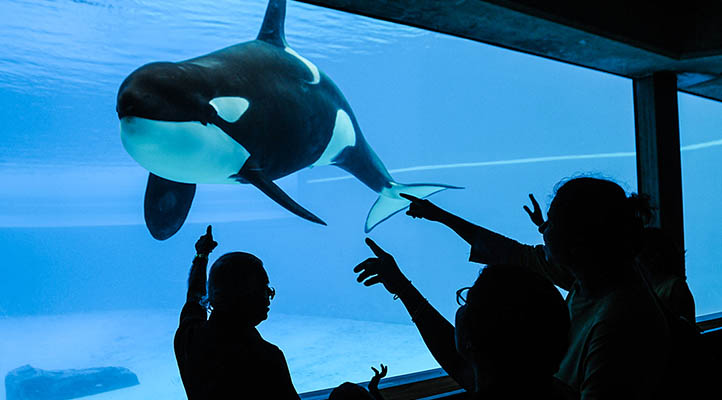
We will outline some recent developments that have brought Marineland’s harmful practices to light and how you can help.
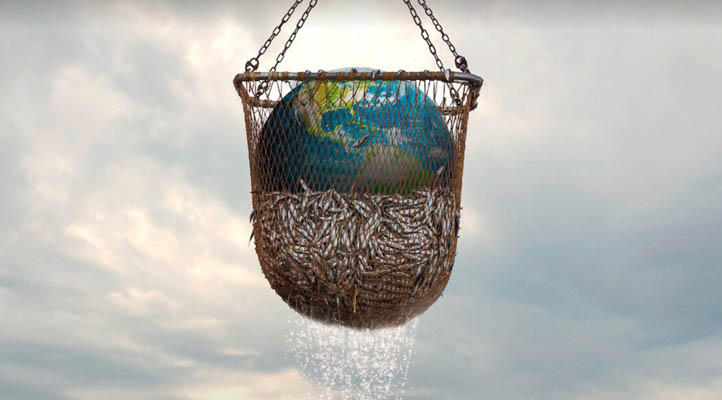
The controversial new Netflix documentary, Seaspiracy, takes viewers on filmmaker Ali Tabrizi’s quest to understand the harm being done to our oceans, and what the real causes of this damage are. Tabrizi quickly learns that the greatest threat to marine life is, in fact, commercial fishing. Whether large scale fishing could ever be done “sustainably” is doubtful, and in any event it is far more ethical to eat a plant-based diet.

An overview of what was and was not found in a new study on diet and the severity of COVID-19 infection. Plant-forward eating is associated with better outcomes.

Fully plant-based diets are the most efficient and, thus, the most sustainable – by tremendous margins. We can all make changes today to move in the right direction.
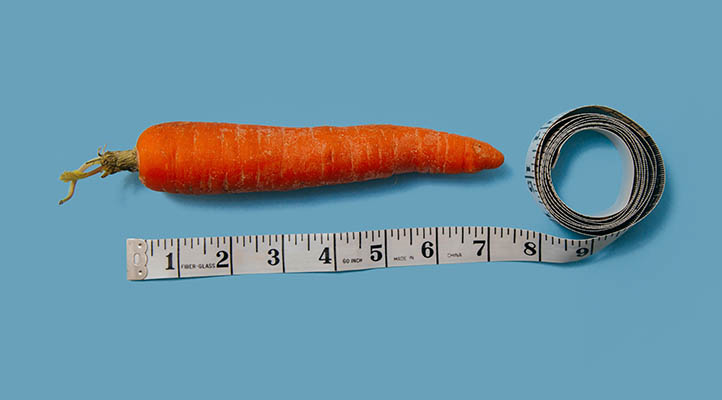
The use of misinformation by plant-based advocates is damaging and undermines our collective goals. The facts are on our side. Follow our tips for using an evidence-based approach in your advocacy.

Many vegan public figures have been using their platforms in significant ways to promote vegan principles. Here’s a quick look at the amazing contributions of some plant-based celebrities.

With the exploding popularity of plant-based products, we are set to see a dramatic transformation of our cultural relationship to animal-based foods. These changes will remove many of the social barriers some would-be vegans face, allowing them to act in accordance with their values without being stigmatized or excluded.


According to this new study, ants are constantly updating and adjusting their memories - something that scientists didn't expect. Read the study at link.springer.com/article/10.1007/s10071-026-02089-7

Not mentioned, beyond obliquely, is the fact that animal agriculture is responsible for the great majority of biodiversity loss. Until these articles get more honest,
Protecting nature means valuing biodiversity
Appeals for extra money are failing. Fundamental changes are needed to safeguard the planet for future generations.

The latest State of the Climate Report is out. "Human activities, including energy use, food production, economic growth, and land-use change, continue to drive many
© 2026 · Earthsave Canada.