• Why Plant-Based?
    • Overview
    • Sustainability
    • Better health
    • Compassion for animals
  • Resources
    • Virtual speaker series
    • Speakers program
    • Pamphlets
    • Newsletters
  • Blog
  • About Us
    • Who we are
    • Contact us
  • How to Help
    • Join us
    • Donate
  • Subscribe to Newsletter
Earthsave CanadaEarthsave Canada
  • Why Plant-Based?
    • Overview
    • Sustainability
    • Better health
    • Compassion for animals
  • Resources
    • Virtual speaker series
    • Speakers program
    • Pamphlets
    • Newsletters
  • Blog
  • About Us
    • Who we are
    • Contact us
  • How to Help
    • Join us
    • Donate
  • Subscribe to Newsletter

Blog

Seaspiracay
12 Aug

Seaspiracy: The Netflix documentary challenging the notion of “sustainable seafood”

Posted by Jen Flood

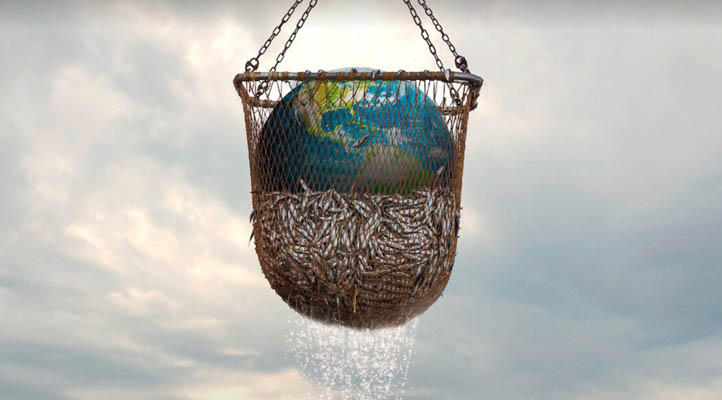
The controversial new Netflix documentary, Seaspiracy, takes viewers on filmmaker Ali Tabrizi’s quest to understand the harm being done to our oceans, and what the real causes of this damage are. Tabrizi quickly learns that the greatest threat to marine life is, in fact, commercial fishing. Whether large scale fishing could ever be done “sustainably” is doubtful, and in any event it is far more ethical to eat a plant-based diet.

Read More
Better COVID-19 outcomes with a plant-forward diet
08 Jul

Better COVID-19 outcomes with a plant-forward diet

Posted by Jon Benjamin

An overview of what was and was not found in a new study on diet and the severity of COVID-19 infection. Plant-forward eating is associated with better outcomes.

Read More
Buying produce at the market
14 Jun

Make your diet as sustainable as you can

Posted by David Steele

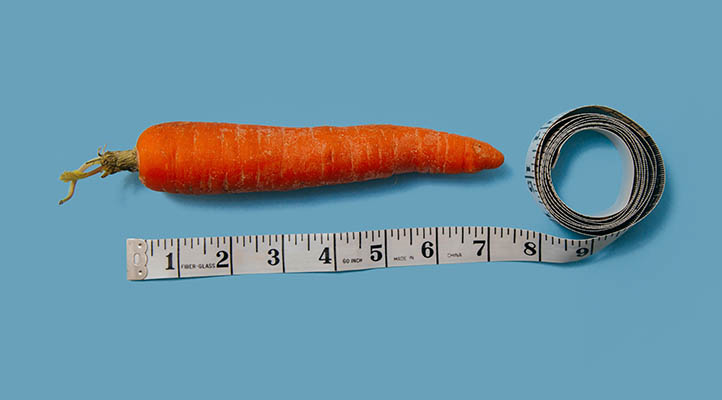
Fully plant-based diets are the most efficient and, thus, the most sustainable – by tremendous margins. We can all make changes today to move in the right direction.

Read More
Evidence based advocacy
31 May

The importance of an evidence-based approach: 5 tips for plant-based advocates

Posted by Jen Flood

The use of misinformation by plant-based advocates is damaging and undermines our collective goals. The facts are on our side. Follow our tips for using an evidence-based approach in your advocacy.

Read More
Spotlights illuminating stage
26 May

Using your platform for good: A spotlight on celebrity vegans

Posted by Lindsay Doucet

Many vegan public figures have been using their platforms in significant ways to promote vegan principles. Here’s a quick look at the amazing contributions of some plant-based celebrities.

Read More
Social stigma
03 May

Will reduced stigmatization lead to a plant-based revolution?

Posted by Jon Benjamin

With the exploding popularity of plant-based products, we are set to see a dramatic transformation of our cultural relationship to animal-based foods. These changes will remove many of the social barriers some would-be vegans face, allowing them to act in accordance with their values without being stigmatized or excluded.

Read More
Our Voice for Change
26 Apr

Animal dissection and championing against it

Posted by Paige Campbell

Our Voice for Change is championing and spreading awareness of animal-free dissection in BC Schools. They won $5000 in the Kelowna Sustainable Development Challenge to see their project tested in schools.

Read More
Vegan burger and fries
12 Apr

Vegan fast food options and alternatives

Posted by Lindsay Doucet

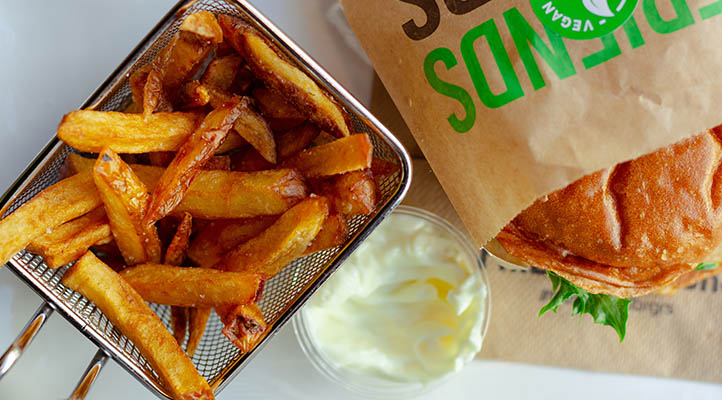
I’m admittedly a fan of vegan fast food every now and then, so I wanted to share my thoughts on some of the new vegan options I’ve tried recently.

Read More
The meat paradox: how animal lovers eat meat
05 Apr

The meat paradox: how animal lovers eat meat

Posted by Brianne Riehl

People often demonstrate an understanding that eating animals is unethical and unsustainable, but choose to do so, giving various reasons to rationalize this decision. This is an example of cognitive dissonance, the mental discomfort that results from holding two conflicting beliefs. In many cases of those who eat meat, the conflicting beliefs are “I love and care for animals” and “I eat meat”. This version of cognitive dissonance is often referred to as the “meat paradox” – in short, I don’t want to harm animals, but I eat animals.

Read More
Happy pig at farm sanctuary
23 Mar

Farmed animal sanctuaries: Beacons of light in a very dark world

Posted by David Steele

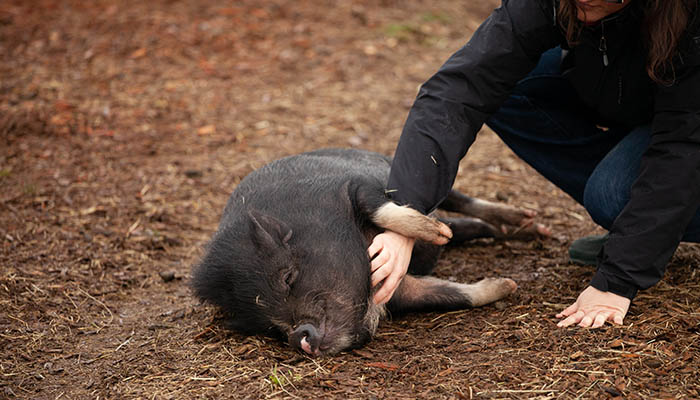
In the early days, Farm Sanctuary was a shoestring operation. Gene and Lorri funded it by selling tofu hot dogs at Grateful Dead concerts. Over the years, it has grown tremendously.

Read More
  • 1
  • 2
  • 3
  • 4
  • 5
  • …
  • 9
  • 10
Donate

Recent Posts

  • 2025 State of the Climate Report: A dire reality that we CAN turn around!
  • COP 30: The impacts of animal agriculture on the climate
  • Meat industry influence may lead to biased conclusions in nutrition studies
  • How can we continue to honour our planet after Earth Month?

Follow us

Engage with us on facebook

Earthsave Canada

5 hours 47 minutes ago

Sadly, when it comes to plant-based foods, none is more damaging than coconut oil. It's even worse than palm oil.

Coconut oil, conservation and the conscientious consumer

Conscientious consumption of agricultural products is hindered by a lack of objective guidance and a distorted public discourse. Meijaard et al. use the environmental impacts of coconut production to illustrate the need for improved measures that facilitate fair and transparent comparisons among pro...

1
View on Facebook
Share
Earthsave Canada

Earthsave Canada

8 hours 32 minutes ago

Learn more and view the full slide show at www.instagram.com/p/DVjKkgzlHzn/

1
View on Facebook
Share
Earthsave Canada

Earthsave Canada

11 hours 23 minutes ago

Dairy is based on horrors. "Revelations of cruelty to dairy cows and their babies have emerged in investigation after investigation into dairy farms of all

3
View on Facebook
Share

© 2026 · Earthsave Canada.