
Animal use in science
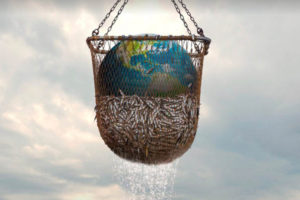
Much of our current scientific culture enforces the belief that using non-human animals in science is a necessary evil. However, evolving attitudes and technologies are calling this belief into question. It is clear that animal experimentation comes at a horrific cost, causing suffering and death to enormous numbers of innocent non-human animals, which we would never tolerate being done to humans. And it has been shown to have serious limitations from a scientific perspective, with on average 89% of drug trials that show promise in non-human animals failing in human trials. From both an ethical and scientific perspective, animal experimentation poses very serious problems.
Using animals in science is often first experienced with an animal dissection lab in science class: an absolutely unnecessary practice with enormous cruelty behind it.
Animal dissection takes place in many classrooms around the world. The act involves removing, examining, and classifying the innards of an animal cadaver. There are over 170 species of animals used for dissection, including frogs, cats, pigs, skinned mink, sharks, rabbits, lobsters, and more. Classroom animal dissection takes the lives of roughly 20 million animals each year in the USA alone. The animals — or ‘specimens’ as they are called in the lab — are obtained through a variety of legal and illegal methods: the animals are either wild caught, purposely bred, or obtained as a byproduct of other industries including fur farming, slaughterhouses, and overpopulated animal shelters.
Championing change
The advocacy of animal-free dissection is gaining traction with advancements in technology and greater compassion toward animals. One of these efforts comes from a group of four high school girls in British Columbia who are trying to eliminate animal dissection from their schools, and eventually their school board. The group, called Our Voice for Change, pitched their transition to animal-free dissection alternatives for local schools at the Kelowna-based 2021 Sustainable Development Challenge. Their project tackles three of the United Nations Sustainable Development goals: Quality Education, Responsible Consumption and Production, and Life on Land. Their tactful and incredibly moving pitch won them the $5,000 first-place prize to begin implementing a pilot program in their school.

Their presentation began with a scenario of a class field trip to a petting zoo. The teacher, emphasizing compassion toward animals, reminded her students that animals are “alive, and feel pain, so please be gentle.” Upon getting back to class, the teacher instructs additional learning about the bodies of animals they had just appreciated observing alive… by performing dissection on a frog.
When did it change? When they stopped being our pet? When they are deemed less attractive or less intelligent? Why is one animal here respected, while the other maimed?… Together we can scrap the scalpel, and ditch dissection.
-Annebell Lee, Our Voice for Change
In a poised and articulate tone, the girls explain that the animals used in high school labs are mass bred, and can be taken directly out of their own habitat, which harms the ecosystem. Enriched with compassion and knowledge to promote animal rights, they explain to the audience that using animals for dissection enforces the belief that animals are ‘purely for human benefit.’ The rest of the presentation explores the drawbacks to live-animal dissection and the benefits of using synthetics.
Alternative technologies
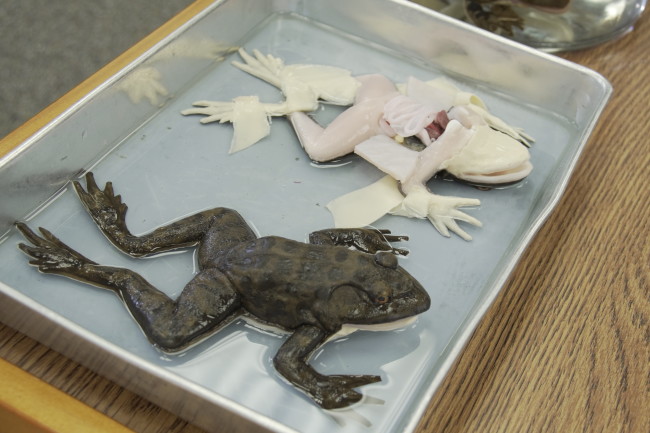
Virtual alternatives are existing technologies that spare animals from suffering and death, create greener ecosystems, and maintain biodiversity by leaving animals in their habitat and out of the classroom. There are several alternatives to live animal dissection, including software (computer, tablet, and phone) applications that provide a virtual experience of dissection through the screen, paper models, and physical mediums like the SynFrog.
Benefits of dissection alternatives
Several countries and Ivy League American universities like Harvard, Yale, Columbia, and Stanford no longer provide animal dissection in their courses, and you can become a board-certified surgeon in the USA without ever dissecting or experimenting on an animal. Only 1% of students need the knowledge of dissection in future careers, and dissection has been shown to turn some students away from future careers in science and medical fields.
A 1995 Journal of Research in Science Teaching study that included interviews with girls and their attitudes toward dissection found that dissection sometimes conflicts with girls’ interest in science and their belief in its purpose, which is “often based on a desire to help people, animals, plants or the Earth.”
It’s not just the animals that benefit from ‘scrapping the scalpel’. Students who have opted out of these procedures in classrooms are sometimes penalized for staying true to their values and beliefs, forcing them to forgo a grade or feeling forced to plagiarize their peer’s work. Live dissection alternatives are just as educational to students, they avoid cultural/ethical conflicts, have no toxic chemicals like formaldehyde, no pathogenic bacteria to transmit, are still fun and interactive, are more environmentally sustainable, and reduce costs by allowing school boards to reuse models year after year.
A team effort for the animals
In 2018, Dr. Elisabeth Ormandy established Canada’s first humane science education program, completely animal-free. Through The Society for Humane Science, she and others provided Our Voice for Change with facts and figures on animal dissection in Canada for their initiative. In her March 2021 TEDx talk, Dr. Ormandy explains,
There are three principles that guide the ethical use of animals in science and science education, and they’re called three R’s: replacement, reduction, refinement. If we can meet our scientific or educational goals without using animals, it is an ethical obligation to use non-animal methods. Empirical data from the last 15 years shows that 90% of students do just as well and in most cases better when they use non-animal teaching methods compared to dissection. Under the principle of replacement, dissection should have ended 10 years ago.
If you’d like to learn more about the latest efforts to remove animals from laboratories, check out the upcoming World Day for Animals in Laboratories 2021 event hosted by The Society for Humane Science, where Our Voice for Change has been nominated for the Humane Science Education award. There will be awards, games, events, prizes, and a guided cocktail mixing. You can get tickets for the virtual event on Saturday April 24, 2021 here.
It’s clear that attitudes towards sacrificing animals in the name of science are changing as technology unveils alternatives and we have a greater understanding of how the practice negatively impacts on our planet, our own mental health, and of course the animals. Ending animal dissection in schools is a great place to start turning the wheels of change, as compassionate alternatives are widely available and yield great academic results. We thank and congratulate the girls of Our Voice for Change on their leadership, courage, and compassion for making a difference for animals and science.
Photo credit Our Voice For Change