• Why Plant-Based?
    • Overview
    • Sustainability
    • Better health
    • Compassion for animals
  • Resources
    • Virtual speaker series
    • Speakers program
    • Pamphlets
    • Newsletters
  • Blog
  • About Us
    • Who we are
    • Contact us
  • How to Help
    • Join us
    • Donate
  • Subscribe to Newsletter
Earthsave CanadaEarthsave Canada
  • Why Plant-Based?
    • Overview
    • Sustainability
    • Better health
    • Compassion for animals
  • Resources
    • Virtual speaker series
    • Speakers program
    • Pamphlets
    • Newsletters
  • Blog
  • About Us
    • Who we are
    • Contact us
  • How to Help
    • Join us
    • Donate
  • Subscribe to Newsletter

How oily is your food?

How oily is your food?

How oily is your food?

May 14, 2016 Posted by David Steele

Have you ever considered how much oil goes into your food? No, not olive oil or corn oil or even palm oil. Have you ever considered how much crude oil – how much petroleum – we’re using to feed ourselves?

It’s no small matter. According to Cornell University’s David Pimentel, we North Americans use an average of 10 calories of fossil fuel to produce one calorie of food energy. Feeding just one of us takes about 1600 liters of fossil fuel each year! That’s more than many of us use driving.

Where does all that oil go? Well, surprisingly, mostly not to transportation. Moving our food around uses only about 256 of those liters. That’s not insignificant, of course. A USDA study of 16 fresh fruits and vegetables sold in a small Maryland town found that they traveled, on average, over 2400 kilometers to get there. And the processed foods we’ve come to depend on travel even further. Fertilizers avoidably use up 496 of those liters. – it’s amazing how much oil goes into keeping our mistreated soils productive. Tractors and combines burn oil, too. And food processing, even more. And don’t forget the energy we use cooking our food. But this sort of accounting misses a very big part of the picture.

In large measure, North Americans eat oil in their meat. Citing Pimentel again, it takes an average of 6 kilograms of plant protein to produce one kilogram of animal protein; on average, eight times as much fossil fuel is required to produce animal protein than its plant equivalent. Over 50% of our annual grain production is fed to animals who are later eaten. The way we raise ‘meat,’ it takes 28 calories of fossil fuel input to generate 1 calorie of food value.

The rest of the oil we eat comes mostly in processed, packaged foods. Even vegetarian processed foods require some 10 calories of fossil fuel input for every calorie of food value. Beyond the energy used to grow the grain, it takes the equivalent of two liters of gasoline to make your average box of breakfast cereal. Packaging consumes even more oil – in that plastic and that paper that you’re going to throw away anyway.

Honestly, this is insane. In burning all this oil, we’re pumping more and more CO2 into the atmosphere. We’re warming the planet. We’re conducting a giant, foolish experiment. Paradoxical as it may sound, it may be even worse that we can’t keep it up. The oil fields are going to dry up and they’re going to dry up in this century. Sooner or later we won’t have any oil to ‘eat.’ If we’re going to feed ourselves in the long term, we’re going to have to learn to eat without oil.

What can I do about it?

1. Eat low on the food chain. For a rough rule of thumb consider each step up on that chain requires a 10-fold increase in energy input.

2. Buy local. Go to your local farmer’s market and buy from local farmers. Supermarkets and their suppliers treat food as a commodity. They move it around to maximize their profits. They’re not worried about where that food came from.

3. Buy in season. We’re spoiled. We expect fresh produce year round. It’s far better to rely on local crops even in winter. Root crops keep well throughout the year; home canning in reusable bottles is relatively energy-inexpensive compared to trucking cross-continent, often in throw-away cans.

4. Buy organic. Doing so not only cuts oil input by nearly a third (for fresh vegetables, at least) but it’s healthier to boot! A win-win situation.

5. Avoid processed foods and even packaged foods. As discussed above, processed food is a major energy hog.

6. If you must buy food from afar, try and buy food shipped in. Ocean shipping uses six times less energy than land transport … fifty times less than air freight.

7. Think for yourself. Consider what you’re doing when you’re buying anything … be it food or that toy for your little one. It’s only by being conscious of our own actions that we can hope to make this a better world.

Sixty years ago, we used only 1/4 as much oil, per person, to produce our food as we do now. In the not-too-distant future we will have no choice but to do with a lot less than that. Let’s do our very best to make sure the transition is as painless as possible. And oh yeah, about that car…


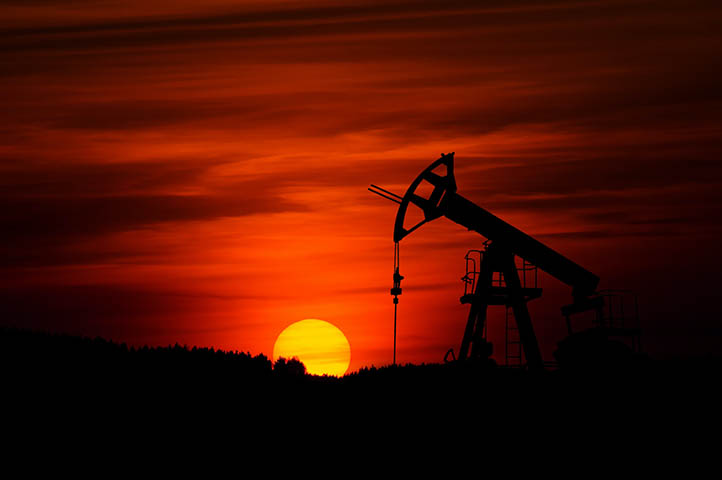
Photo by Zbynek Burival on Unsplash

Share
Avatar photo

About David Steele

David is a molecular biologist retired in 2013 from the Faculty of Medicine at the University of British Columbia. He has also held faculty positions at Cornell and Queen’s Universities. Dr. Steele is a frequent public speaker and a regular contributor to Earthsave Canada's publications. He is also an occasional contributor to various other publications.

You also might be interested in

Some sober thoughts for Thanksgiving Day

Some sober thoughts for Thanksgiving Day

Oct 7, 2023

This Thanksgiving Day, perhaps we should consider just what it is that we are thankful for and how we can make sure that those generations who follow us will be thankful, too. Because, the fact is, if we keep on living the way we are, it won't be long before there will be very little to be thankful about. Perhaps we can begin by listening to the experts.

Cashews

Re-think your cheese: The curious case of cashews and the value of fairtrade

Mar 1, 2021

Cashews, while versatile and nutritious, can come with significant costs to human well-being. By informing ourselves of these costs and striving for solutions, including Fairtrade, we can start to address these issues.

Eating vegan on a budget

Eating vegan on a budget

Mar 31, 2020

As a recent university graduate, there are few things I know better than how to eat vegan on a budget, while still choosing healthy, whole-food options! I thought I’d share some of my go-to tips and tricks about how to eat vegan without breaking the bank.

Recent Posts

  • United Nations Environment Program: The World is In Grave Danger – But We Can Save It … and Thrive!
  • 2025 State of the Climate Report: A dire reality that we CAN turn around!
  • COP 30: The impacts of animal agriculture on the climate
  • Meat industry influence may lead to biased conclusions in nutrition studies

Follow us

If you found this helpful please consider donating.

Donate

Engage with us on facebook

Earthsave Canada

23 hours 41 minutes ago

:( :( :(

"Birds [who] spent more time at tourist sites were markedly more likely to die, while faster, farther-ranging birds lasted longer."

Ravens that take risks around humans are less likely to survive

A new study shows that fan-tailed ravens living near the Dead Sea are more likely to die when they spend time around humans.

2
View on Facebook
Share

Earthsave Canada

1 day 1 hour ago

"o bring some awareness to the state of our planet and its inhabitants, Joan Chan, a comic artist from Hong Kong, started a comic series

Artist Illustrates The Sad Reality Of Animal Cruelty And Shows How Factory Farming Harms Our Planet

Our ocean, land, and the array of species that call it home are succumbing to the poison of plastic. According to the United Nations, at least 800 species worldwide are affected by marine and land debris, and as much as 80 percent of that litter is plastic. It is estimated that up to 13 million metr

1
View on Facebook
Share

Earthsave Canada

1 day 4 hours ago

Biofuels, like animal agriculture, are utter insanity on any large scale. "Cheap biofuels are an illusion; someone, somewhere is paying the price through higher food

Why shipping’s cheapest alternative fuel could become its most expensive mistake

Cheap biofuels are an illusion: someone, somewhere is paying the price through higher food prices, deforested lands and disruptive climate impacts, writes Bryan Comer

View on Facebook
Share

© 2026 · Earthsave Canada.