Vegans take pride in the reduced environmental impact of their diet compared to animal-based diets, which are inefficient and cause significant environmental damage. However, just because you are vegan, doesn’t mean you can’t do more to increase the sustainability of your diet.
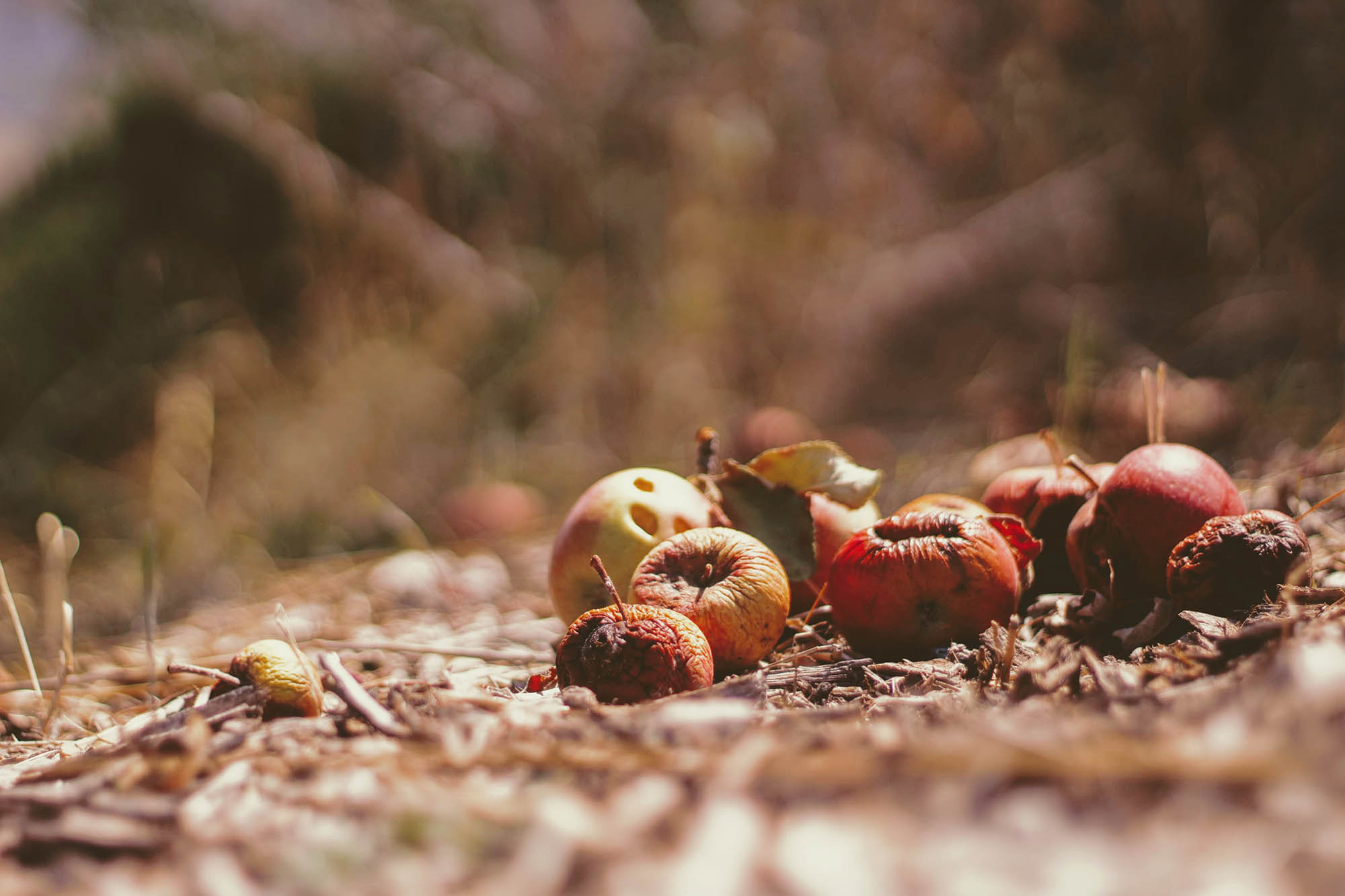
Did you know that 18% (11.2 million tonnes) of all food produced in Canada is wasted each year? This occurs in many stages of the supply chain, with households accounting for 2.38 million tonnes of this wasted food. In fact, 63% of food thrown away by Canadian households is avoidable and amounts to an estimated loss of $1,100 per household each year.
Reducing avoidable food waste has the potential to reduce global warming through a reduction in greenhouse gas (GHG) emissions, sustain food supplies and natural resources, improve economies, while also saving you money.
What causes food waste?
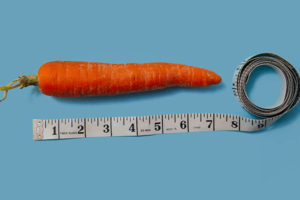
One of the leading causes of food waste in Canada is the placing of high aesthetic standards on fresh produce. These aesthetic standards are perpetuated through the supply chain, resulting in perfectly edible food being thrown away before it even hits our grocery store shelves. A 2018 study in the UK found that the food supply chain accounts for a substantial amount of avoidable food waste due to an overemphasis on superficial qualities, such as size and shape. In today’s society, it is typical for consumers to assume that an imperfect or misshapen fruit or vegetable is not consumable. The same study concluded that consumers’ willingness to purchase food is based on a learned visual perception of what fresh food “should” look like, with consumers placing a higher value on the aesthetic of produce (perfect vs. imperfect) rather than taste or quality.
While there is significant food waste that occurs before the consumption stage, consumer and household food waste remain key contributors to overall waste due to improper meal planning, food preparation, storage and disposal of food (see below for some simple tips on reducing your weekly food waste). Through improved consumer education and the disruption of aesthetic standards, we can begin to make significant improvements in our annual food waste.
How is food waste impacting the environment?
The U.N. Department of Economic and Social Affairs has recognized food waste as a serious problem for our future, listing it under goal number 12 on the list of Sustainable Development Goals (SDGs), “ensuring sustainable consumption and production patterns”. Food waste decomposition releases harmful GHG emissions, and the externalities of food waste include an additional waste of resources used to produce and store it, such as land, water and energy.
To help visualize the extent of food waste in North America, the Commission for Environmental Cooperation has calculated that the amount of food ending up in landfills each year would fill 13 football stadiums, and releases GHG emissions equivalent to continuously driving 41 million cars per year. The most harmful GHG is methane, which has an environmental impact that is 25 times greater than CO2 (over a 100-year period). It is critical to our efforts in reducing the rise in global warming to reduce some of the biggest emitters, such as the methane emitted from food waste.
Finally, I want to highlight the significance of North America’s contribution to global food waste. According to the UN Environment Programme, North American consumers each waste a shocking 95-115 kg of food per year when compared to consumers in sub-Saharan Africa, South and Southeastern Asia who each waste only 6-11 kg a year. Although North America’s GHG emissions related to food waste are among the highest in the world, it will not be the most immediately impacted by the negative consequences of these emissions. Research shows that the Global South will experience the most immediate impacts of global warming and is less economically equipped to adapt to and mitigate the harmful effects – such as sea-level rise, droughts and floods. Thus, I strongly believe that it is our responsibility as some of the largest emitters to take immediate and significant action to protect our global environment by reducing our avoidable food waste.
Follow these 9 tips to effectively reduce your household food waste:
1) Take inventory
Before you go grocery shopping, check your fridge and pantry to take stock of what you have and how you can use it in recipes during the week.
2) Meal plan
Plan what meals you will have during the week and make them revolve around the ingredients you already have in your home.
3) Eat before you shop
Studies have shown that when you shop on an empty stomach you are more likely to impulse buy. When you are well-fed, you are in a better mindset to shop consciously and stick to your grocery list.
4) Check dates
Look at the best before dates on products to ensure that you are purchasing items that will last up until you consume them.
5) Store food correctly
Ensure that you are storing your food at the appropriate temperatures. Fridges are already designed for optimal storage temperature, so follow the instructions and store your fresh produce in temperature-regulated drawers to prevent early spoilage.
6) Eat your leftovers
This one is quite simple, get creative or simply learn to love a reheated meal (or two) for lunch. This will not only save you some time during your lunch break, but it will also provide you with a delicious and nutritious mid-day meal.
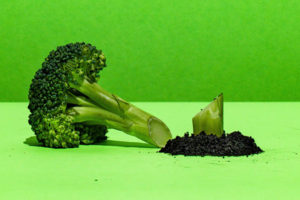
7) Get creative with food scraps
Throwing away peels and stems can feel like second nature to most, but did you know that you can use them to make some delicious recipes? Check out this YouTube video for a simple vegetable broth made from food scraps.
8) Compost
Now, if something goes bad or is simply inedible, remember to compost it! If your town or building does not compost, you can search up local compost centers or invest in a small compost system for your home.
9) Don’t be afraid of ugly produce
Challenge your aesthetic values and reach for fruit and veg that aren’t perfect. Minor imperfections don’t affect the taste and you might save it from becoming waste.
I hope that these few tips are helpful in your journey towards reducing your diet’s environmental impact and saving you money!
For vegan recipe inspiration, head to our Instagram @earthsavecanada.
Photo by Joshua Hoehne on Unsplash