• Why Plant-Based?
    • Overview
    • Sustainability
    • Better health
    • Compassion for animals
  • Resources
    • Virtual speaker series
    • Speakers program
    • Pamphlets
    • Newsletters
  • Blog
  • About Us
    • Who we are
    • Contact us
  • How to Help
    • Join us
    • Donate
  • Subscribe to Newsletter
Earthsave CanadaEarthsave Canada
  • Why Plant-Based?
    • Overview
    • Sustainability
    • Better health
    • Compassion for animals
  • Resources
    • Virtual speaker series
    • Speakers program
    • Pamphlets
    • Newsletters
  • Blog
  • About Us
    • Who we are
    • Contact us
  • How to Help
    • Join us
    • Donate
  • Subscribe to Newsletter

Scientists Across the World are Taking Major Personal Actions to Combat Global Warming

Scientists Across the World are Taking Major Personal Actions to Combat Global Warming

Scientists Across the World are Taking Major Personal Actions to Combat Global Warming

November 2, 2026 Posted by David Steele

Earlier this month, in Environmental Research Letters, a study was published comparing the personal climate actions of just under 9200 scientists from 115 countries (1). The study’s authors split them into two groups – those who are techno-optimists and those who are not – and asked them what they were doing, personally, to combat climate change.

As the report’s authors put it, techno-optimists believe “that technology will largely solve climate change and its consequences.” 27% of the surveyed scientists fit into this group. 44% reported the belief that technology will not rescue us. The remaining 29% did not express strong opinions either way.

Not surprisingly, techno-optimists reported taking fewer actions to combat climate change than those who felt that technology will be insufficient to meet the crisis.

That said, the differences found were less stark than one might expect. While it’s true that techno-optimists were 23% and 19% less likely than other scientists to engage in civic climate action and to make high impact lifestyle changes, respectively, members of both groups were found to be doing quite a lot.

Here are some of the numbers:

43% of techno-optimists report having reduced the flying they do.
57% of the other scientists are doing the same.

62% of the techno-optimists have reduced the amount of driving they do.

74% of the other scientists have done so.

31% of the techno-optimists report adopting largely vegetarian or vegan diets
45% of the remaining scientists have done the same.

All of these numbers are far higher than are seen in the general population!taking action to reduce global warming.

Clearly, scientists, as a group, better understand the importance of fighting global warming than does the general public. And they’re taking action.

Why not follow them? It’s time for us all to act as if we’re in the existential crisis that we are in. So many of these scientists are leading the way, albeit too quietly.

Simply following them on the three points listed above – to the maximum extent that we can – would dramatically improve our collective future.

  1. https://iopscience.iop.org/article/10.1088/1748-9326/aea4c7

Share
Avatar photo

About David Steele

David is a molecular biologist retired in 2013 from the Faculty of Medicine at the University of British Columbia. He has also held faculty positions at Cornell and Queen’s Universities. Dr. Steele is a frequent public speaker and a regular contributor to Earthsave Canada's publications. He is also an occasional contributor to various other publications.

You also might be interested in

VEGAN 2020 documentary overview and discussion

VEGAN 2020 documentary overview and discussion

Feb 8, 2021

VEGAN 2020 is the sixth installment of a Youtube Documentary series released annually by Plant Based News. The film takes us through the year 2020 month-by-month, tracking both the tragedies and advancements within plant-based trends over the course of the global COVID-19 pandemic.

Cashews

Re-think your cheese: The curious case of cashews and the value of fairtrade

Mar 1, 2021

Cashews, while versatile and nutritious, can come with significant costs to human well-being. By informing ourselves of these costs and striving for solutions, including Fairtrade, we can start to address these issues.

Everyone does not love Marineland
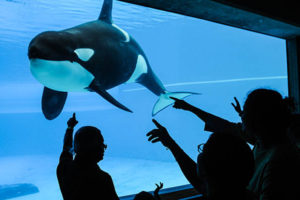
Kiska, a lone orca at Marineland. Canada, 2011.

Everyone does not love Marineland

Aug 18, 2021

We will outline some recent developments that have brought Marineland’s harmful practices to light and how you can help. 

Donate

Recent Posts

  • Scientists Across the World are Taking Major Personal Actions to Combat Global Warming
  • A Critical Look at the WRI’s Recent GHG Source Assessment
  • Beyond the protein myths: why plant-based protein deserves a place on your plate
  • A Tale of Two Santa Martas

Follow us

Engage with us on facebook

Earthsave Canada

23 hours 17 minutes ago

"For the "ladder" to work, each gorilla has to do a different job, and each has to act with the other's role in mind. The

Gorilla Sisters Filmed Forming a 'Living Ladder' for Food

Two gorilla half-sisters at an Israeli zoo were recorded cooperating, one standing on the other’s back to reach a high branch, a new study reports.

5
View on Facebook
Share

Earthsave Canada

1 day 1 hour ago

The situation is the same in Canada. "Here are the best vegan sources of fiber, plus why some vegetarians might not get enough of this

95 Percent of Americans Don’t Eat Enough Fiber. These Plant Foods Will Boost Your Intake.

Here are the best vegan sources of fiber, plus why some vegetarians might not get enough of this essential non-nutrient.

3
View on Facebook
Share
Earthsave Canada

Earthsave Canada

1 day 4 hours ago

The situation is fundamentally the same wherever factory farms are. "Collectively, Michigan’s 272 largest CAFOs generate more waste than the state’s entire human population —

3
View on Facebook
Share

© 2026 · Earthsave Canada.