
• Why Plant-Based?
    • Overview
    • Sustainability
    • Better health
    • Compassion for animals
  • Resources
    • Virtual speaker series
    • Speakers program
    • Pamphlets
    • Newsletters
  • Blog
  • About Us
    • Who we are
    • Contact us
  • How to Help
    • Join us
    • Donate
  • Subscribe to Newsletter
Earthsave CanadaEarthsave Canada
  • Why Plant-Based?
    • Overview
    • Sustainability
    • Better health
    • Compassion for animals
  • Resources
    • Virtual speaker series
    • Speakers program
    • Pamphlets
    • Newsletters
  • Blog
  • About Us
    • Who we are
    • Contact us
  • How to Help
    • Join us
    • Donate
  • Subscribe to Newsletter

The Good Food Cities Declaration: Earthsave Canada’s submission to the Vancouver Food Policy Council

The Good Food Cities Declaration: Earthsave Canada’s submission to the Vancouver Food Policy Council

The Good Food Cities Declaration: Earthsave Canada’s submission to the Vancouver Food Policy Council

September 21, 2020 Posted by Jen Flood

Earthsave Canada recently made a submission to the Vancouver Food Policy Council, asking for its support in urging Vancouver City Council to adopt the Good Food Cities Declaration. The Declaration represents a commitment to achieving a “Planetary Health Diet” by 2030 by supporting an overall increase in healthy plant-based food consumption, shifting away from unsustainable and unhealthy diets, and reducing food loss and waste. Over a dozen other cities globally, including Toronto, signed the Declaration at the 2019 C40 Mayor’s summit in Copenhagen, but Vancouver did not. 

Earthsave Canada’s submission highlights the serious damage that animal agriculture does to the environment, including through greenhouse gas emissions, deforestation, water pollution, biodiversity loss, and inefficient use of land and water resources. The submission also describes how animal-based diets contribute to human diseases, including cardiovascular and chronic disease, antimicrobial resistance, and zoonotic viruses such as COVID-19. The submission concludes that the City must support the shift to plant-based diets on an urgent basis in order to halt environmental degradation, chronic disease trends, and zoonotic virus growth.

A copy of Earthsave Canada’s submission may be found here. We expect that it may be considered at an upcoming meeting of the Food Policy Council.


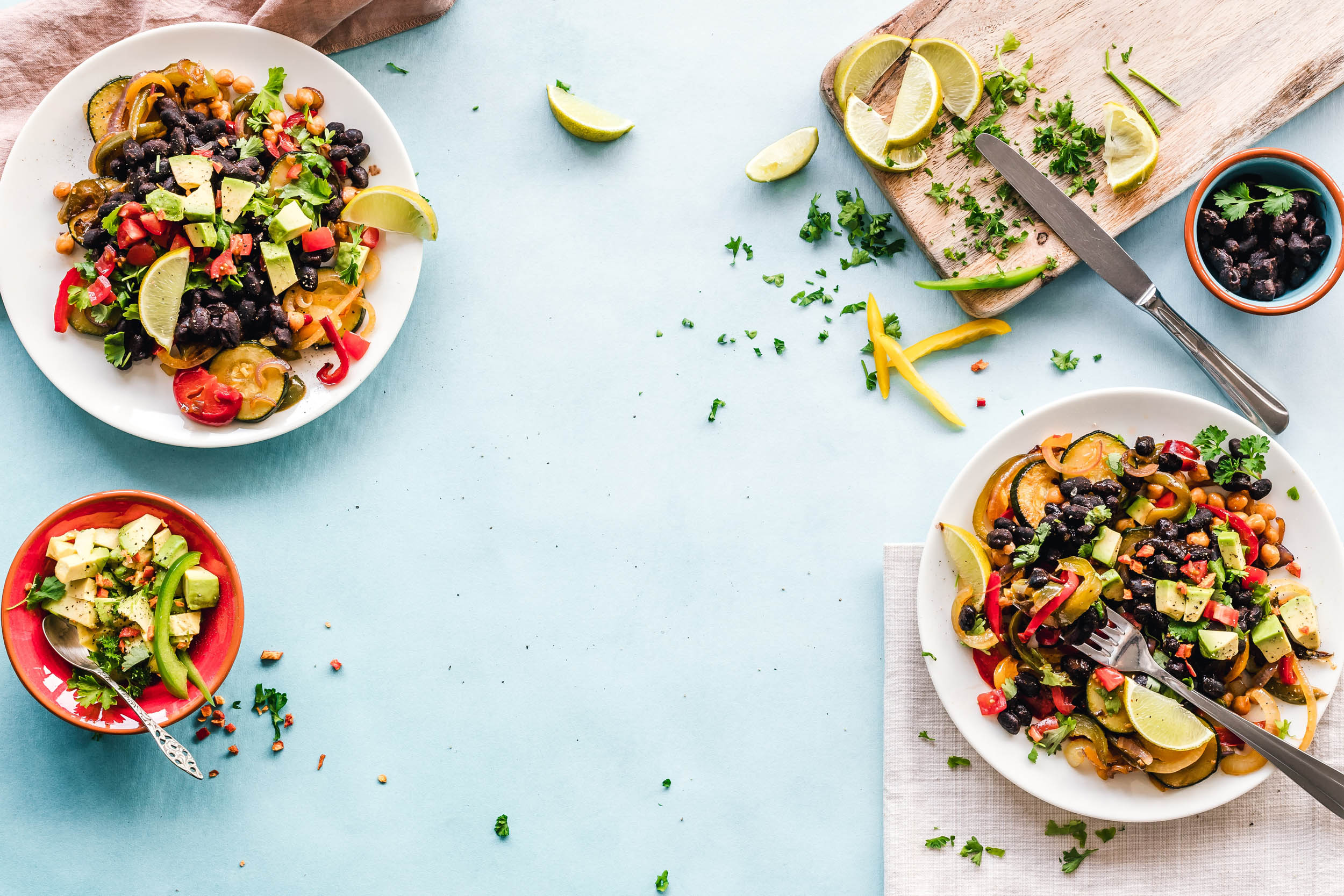
Photo by Ella Olsson on Unsplash

Share
Avatar photo

About Jen Flood

Jen is a lawyer with a J.D. from UBC and a B.Sc. in physics from Queen's University. A vegan for over a decade and an avid cyclist, she joined Earthsave Canada in 2018.

You also might be interested in

Trying to stop climate change? Eating plant-based is more helpful than eating local

Trying to stop climate change? Eating plant-based is more helpful than eating local

May 18, 2020

While eating locally sourced food is still beneficial to the community, it’s important to remember that you aren’t significantly lowering your carbon footprint, or helping out the climate, without reducing or cutting out animal-based products from your diet.

Bill Gates is right: the argument for veganism <i>is</i> appealing – and he should take it more seriously as part of the solution to our climate crisis

Bill Gates is right: the argument for veganism is appealing – and he should take it more seriously as part of the solution to our climate crisis

Mar 15, 2021

In his new book, Bill Gates outlines a plan for the world to get to net zero greenhouse gas emissions. While emphasizing meat and dairy as the main culprits for emissions in the agricultural sector, he gives short shrift to veganism as part of the solution, instead claiming it is unrealistic. Veganism should be viewed as one of the easiest to achieve and most sensible changes humanity will need to make in order to avoid the impending climate disaster. It is hoped that Gates’ views will evolve as the explosion in popularity of plant-based diets worldwide continues, and he will recognize that veganism is necessary if we are serious about getting to zero.

Recent report confirms Canadians should adopt a plant-based diet to achieve a “1.5-Degree Lifestyle”

Recent report confirms Canadians should adopt a plant-based diet to achieve a “1.5-Degree Lifestyle”

Jun 19, 2023

A 2021 report entitled 1.5-Degree Lifestyles investigated GHG emission and lifestyle patterns in ten countries, including Canada, to identify what life might look like in 2030 to avoid warming over 1.5C by 2050. The results confirm that the shift to plant-based diets can have enormous impacts.

Donate

Recent Posts

  • United Nations Environment Program: The World is In Grave Danger – But We Can Save It … and Thrive!
  • 2025 State of the Climate Report: A dire reality that we CAN turn around!
  • COP 30: The impacts of animal agriculture on the climate
  • Meat industry influence may lead to biased conclusions in nutrition studies

Follow us

Engage with us on facebook

Earthsave Canada

23 hours 32 minutes ago

"Birds are sometimes called "birdbrains" or "featherbrained". (The original title of my book in French uses a derogatory term we use to insult people we

A Bird's IQ, a Book on Intelligent Masters of Innovation

Dr. Louis Lefebvre's new book is a must-read, packed with the latest science and vivid storytelling; you'll learn why being called a “birdbrain” is a compliment and much more.

1
View on Facebook
Share

Earthsave Canada

1 day 1 hour ago

"All essential amino acids are available from plants, no individual plant food needs to be combined with another at the same meal. According to the

Complete Protein on a Vegan Diet: The Science Behind Plant-Based Amino Acids in 2026

The “incomplete protein” myth has been corrected since 1981. Here’s what the science actually says about complete protein on a vegan diet in 2026 — and which products to use.

1
View on Facebook
Share
Earthsave Canada

Earthsave Canada

1 day 4 hours ago

The solution is simple. All salt and salt substitutes should be iodized. Meanwhile, make sure you're getting your iodine somewhere. We've linked to this article

1
View on Facebook
Share

© 2026 · Earthsave Canada.