
In Chapter 6 of his new book, How to Avoid a Climate Disaster: The Solutions We Have and the Breakthroughs We Need, Bill Gates displays a phenomenon that I see daily as a vegan living in a world of meat eaters. He provides compelling arguments for why eating vegan is the ethical choice, in this case for avoiding disastrous climate change, as he explains that producing meat and dairy in the way we currently do is not an option if we are to achieve net zero greenhouse gas emissions by 2050. Yet, he continues to eat meat. (See our recent review of the book here).
Gates is intelligent, educated and understands the “appeal” (his words) of veganism as part of the solution to climate change. However, he justifies his choice to continue to consume animal products and, as a result, contribute to climate change, even in the face of logic that says he shouldn’t.
This is very common. People often demonstrate an understanding that eating animals is unethical and unsustainable, but choose to do so, giving various reasons to rationalize this decision. In the case of Gates, the justification is that he likes the taste of meat, and he goes on to characterize veganism as extreme and unlikely to be widely adopted.
The mental gymnastics that take place when someone understands the realities of animal agriculture, but continues to participate in it, are a way of minimizing cognitive dissonance, something most of us are skilled at. Cognitive dissonance is the mental discomfort that results from holding two conflicting beliefs, values, or attitudes. As a result, we try to find a way to resolve the contradiction to reduce the discomfort.
For example, I experience cognitive dissonance when I travel by airplane. I fully understand the significant negative environmental impacts of air travel, and based on my morals, I shouldn’t fly. But I do, and I’m not alone. This study identified four strategies that “green” consumers use to respond to the cognitive dissonance they feel around air travel: not changing travel behaviour and offering justification for it, reducing or restricting flights, changing other behaviours to compensate for flying, or not flying.
In my case, I use strategies one and three. I tell myself that I can’t change my travel behaviour because flying is necessary to reach many of my loved ones, and instead take other actions to compensate for the environmental impact of my flights. These strategies are an important way for me to justify my actions and avoid discomfort.
My experience with cognitive dissonance helps me to understand when I see it in others, like Gates, when it comes to eating animals. In his case, the conflicting beliefs are “I care about avoiding climate change” and “I eat meat”. In many cases of those who eat meat, the conflicting beliefs are “I love and care for animals”, “harming animals is wrong” or “I’m a compassionate person” and “I eat meat”. This version of cognitive dissonance is often referred to as the “meat paradox” – in short, I don’t want to harm animals, but I eat animals.
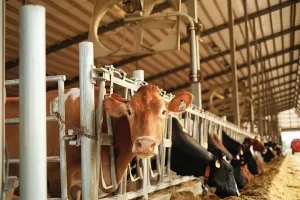
Here are some things we know about eating meat that aren’t logical: most of us wouldn’t eat a dog or cat, but we will eat a pig or cow. Most of us wouldn’t be able to comfortably slaughter and prepare animals and then consume them, but we will eat meat if the process is hidden from us. We feel horrified seeing photos or videos of the conditions and treatment that go into producing meat, but we still consume it.
As a result, we are confronted by our conflicting desires and have two options to reconcile them: either alter our actions to align with what we know is right (i.e., stop eating meat), or justify our actions in some way by distorting or distancing ourselves from the evidence. Dissociation, or distancing ourselves from the reality of what we’re doing, is a common way to avoid or overcome cognitive dissonance.
For example, dissonance that arises from eating animals encourages consumers to deny the minds and feelings of animals, deny the conditions animals are raised in, deny the intelligence of animals and minimize their moral rights, or deny that they have a choice whether or not to consume the animal. Research has shown that the dissonance or discomfort meat eaters feel when confronted by a vegan or vegetarian, who reminds them about their conflicting beliefs, often encourages meat eaters to embrace these dissonance-reducing strategies.
There are many ways that our society, which normalizes meat consumption, encourages dissociation. “Ag-gag” laws (such as this one) seek to prevent and punish actions that expose the reality of what is happening to animals. We use soft words like “harvest” instead of “slaughter” or “beef” instead of “cow” to help us avoid the connection between our beliefs and actions. We package dead animals in plastic covered in images of happy animals running around on a farm, and label eggs from hens that are anything but free as “free range”. These strategies perpetuate the meat paradox by helping to distance us from reality and minimize our discomfort.
In my experience, the cognitive dissonance I struggled with when eating meat stopped me from seeing animal agriculture and the impacts of my actions clearly. Once I became vegan and freed my mind from the need to justify my meat consumption, I was able to see animals and feel compassion for them that hadn’t been possible before. I suspect that this would be the case for many others, like Gates, if they stopped eating animals too. In fact, I’ve found that resolving the meat paradox by living in alignment with my values and beliefs is what has allowed me to see animal agriculture for what it really is – cruel and unnecessary.
Photo by Helena Lopes from Pexels