• Why Plant-Based?
    • Overview
    • Sustainability
    • Better health
    • Compassion for animals
  • Resources
    • Virtual speaker series
    • Speakers program
    • Pamphlets
    • Newsletters
  • Blog
  • About Us
    • Who we are
    • Contact us
  • How to Help
    • Join us
    • Donate
  • Subscribe to Newsletter
Earthsave CanadaEarthsave Canada
  • Why Plant-Based?
    • Overview
    • Sustainability
    • Better health
    • Compassion for animals
  • Resources
    • Virtual speaker series
    • Speakers program
    • Pamphlets
    • Newsletters
  • Blog
  • About Us
    • Who we are
    • Contact us
  • How to Help
    • Join us
    • Donate
  • Subscribe to Newsletter

Human milk for human babies

Human milk for human babies

Human milk for human babies

June 1, 2020 Posted by Tannis Larson

My first baby is due in June. I fully expect to feed him exclusively breast milk.

However, this isn’t always possible.

The WHO recommends exclusive breastfeeding for the first six months starting within an hour of birth.1 The Childbearing Society advises that the options for feeding babies in order of preference are: first, directly from the woman’s breast; second, pumped milk from her breast; third, donor milk; and fourth, formula.

In the age of COVID-19, although breast milk is likely not a method of transmitting the virus,2 my local hospitals are not taking donor milk. For information on how milk banks normally work, contact La Leche League Canada at https://www.lllc.ca/.

This leaves two options. Formula, or private donations of breast milk.

Let’s consider formula first. A quick look and you will see the three most common ingredients are corn syrup, palm oil and derivatives, and milk derivatives. Soy based formulas often even use casein and whey proteins (derived from cow’s milk). It is possible, but very difficult to find formulas that have no animal products, and they are all expensive. When I saw the ingredients, I was dismayed that this is what is available for babies. Like many of you, I avoid these ingredients in my diet for health and ethical reasons, so I was shocked that they would be the sole source of nutrition for a minimum of 6 months. On top of this, there is the issue of the inherent cruelty and violence of cow and goat dairy operations.

Thankfully there is another option. Human Milk for Human Babies groups can be found on Facebook:

“The mission of Human Milk 4 Human Babies Global Network is to promote the nourishment of babies and children around the world with human milk. We are dedicated to fostering community between local families who have chosen to share breast milk.”3

The donors often have an over-supply of breastmilk which they package, freeze and make available for free for babies in need. Note, it is illegal to sell or buy human breast milk in Canada.

Participants in a milk sharing arrangement must take full responsibility for the outcome of milk sharing. The private donor system relies on trust and human connection. According to the Human Milk for Human Babies website, all parties are encouraged to practice full disclosure, informed choice and to be responsible for doing their own research on the risks, benefits and alternatives of milk sharing.4 The organization provides advice on asking for medical test results from donors and how to treat donor milk at home.

I have a postcard on my fridge that reads “Not your mom, Not your milk” accompanied by a picture of a cow, a mantra which makes sense when considering using the milk from another species. But in the case of breastfeeding and donated human milk, it’s such a beautiful and natural thing for a woman to share her breast milk with human babies, and it’s wonderful that this option is available.


[1] https://www.who.int/health-topics/breastfeeding#tab=tab_1
[2] https://www.cdc.gov/coronavirus/2019-ncov/need-extra-precautions/pregnancy-breastfeeding.html
[3,4] http://hm4hb.net/about-us/

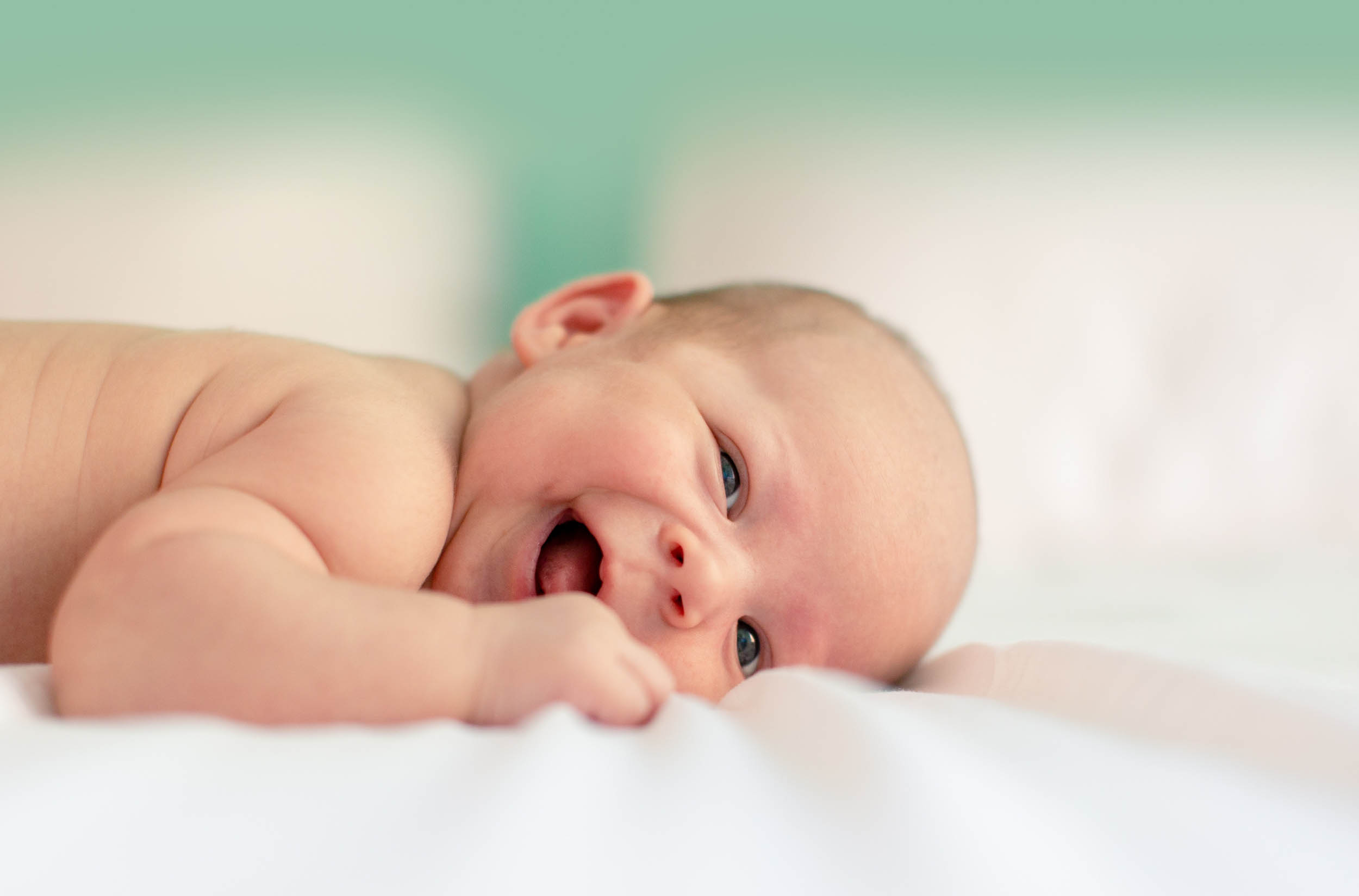
Photo by Filip Mroz on Unsplash

Share

About Tannis Larson

Tannis is a certified teacher who started teaching about ecology and human impact on the planet while teaching Biology 11. She joins Earthsave to reach a bigger, broader audience and hopes to bring about a world of compassion and care for animals and the environment.

You also might be interested in

Going vegan for life

Going vegan for life

Jan 17, 2022

In Earthsave Canada’s Virtual Speaker Series, Virginia Messina draws from her wealth of knowledge to help us transition to veganism and successfully stay vegan. Covering topics from nutrition to practical tips and mindset she has advice for both the vegan-curious and the die-hards among us.

Plant-Based Pooches: The benefits of a meat-free diet for dogs

Plant-Based Pooches: The benefits of a meat-free diet for dogs

Nov 2, 2020

The commercial plant-based dog foods available today do an excellent job at meeting the nutritional needs of our dogs, without the deleterious environmental, health, and animal welfare impacts of meat-based dog foods.

Happy couple cooking

Top ten recipes I made this holiday season

Jan 21, 2021

This holiday season was unusual for all of us. For me, one perk of a quiet holiday was extra time to experiment with new recipes. Cooking and baking, even with no dinner parties to attend, helped me to embrace the calm and coziness of the season and bring some warmth and joy into my home.

Donate

Recent Posts

  • United Nations Environment Program: The World is In Grave Danger – But We Can Save It … and Thrive!
  • 2025 State of the Climate Report: A dire reality that we CAN turn around!
  • COP 30: The impacts of animal agriculture on the climate
  • Meat industry influence may lead to biased conclusions in nutrition studies

Follow us

Engage with us on facebook

Earthsave Canada

18 hours 53 minutes ago

:( :( :(

"Birds [who] spent more time at tourist sites were markedly more likely to die, while faster, farther-ranging birds lasted longer."

Ravens that take risks around humans are less likely to survive

A new study shows that fan-tailed ravens living near the Dead Sea are more likely to die when they spend time around humans.

2
View on Facebook
Share

Earthsave Canada

21 hours 45 seconds ago

"o bring some awareness to the state of our planet and its inhabitants, Joan Chan, a comic artist from Hong Kong, started a comic series

Artist Illustrates The Sad Reality Of Animal Cruelty And Shows How Factory Farming Harms Our Planet

Our ocean, land, and the array of species that call it home are succumbing to the poison of plastic. According to the United Nations, at least 800 species worldwide are affected by marine and land debris, and as much as 80 percent of that litter is plastic. It is estimated that up to 13 million metr

1
View on Facebook
Share

Earthsave Canada

23 hours 38 minutes ago

Biofuels, like animal agriculture, are utter insanity on any large scale. "Cheap biofuels are an illusion; someone, somewhere is paying the price through higher food

Why shipping’s cheapest alternative fuel could become its most expensive mistake

Cheap biofuels are an illusion: someone, somewhere is paying the price through higher food prices, deforested lands and disruptive climate impacts, writes Bryan Comer

View on Facebook
Share

© 2026 · Earthsave Canada.