• Why Plant-Based?
    • Overview
    • Sustainability
    • Better health
    • Compassion for animals
  • Resources
    • Virtual speaker series
    • Speakers program
    • Pamphlets
    • Newsletters
  • Blog
  • About Us
    • Who we are
    • Contact us
  • How to Help
    • Join us
    • Donate
  • Subscribe to Newsletter
Earthsave CanadaEarthsave Canada
  • Why Plant-Based?
    • Overview
    • Sustainability
    • Better health
    • Compassion for animals
  • Resources
    • Virtual speaker series
    • Speakers program
    • Pamphlets
    • Newsletters
  • Blog
  • About Us
    • Who we are
    • Contact us
  • How to Help
    • Join us
    • Donate
  • Subscribe to Newsletter

The Good Food Cities Declaration: Earthsave Canada’s submission to the Vancouver Food Policy Council

The Good Food Cities Declaration: Earthsave Canada’s submission to the Vancouver Food Policy Council

The Good Food Cities Declaration: Earthsave Canada’s submission to the Vancouver Food Policy Council

September 21, 2020 Posted by Jen Flood

Earthsave Canada recently made a submission to the Vancouver Food Policy Council, asking for its support in urging Vancouver City Council to adopt the Good Food Cities Declaration. The Declaration represents a commitment to achieving a “Planetary Health Diet” by 2030 by supporting an overall increase in healthy plant-based food consumption, shifting away from unsustainable and unhealthy diets, and reducing food loss and waste. Over a dozen other cities globally, including Toronto, signed the Declaration at the 2019 C40 Mayor’s summit in Copenhagen, but Vancouver did not. 

Earthsave Canada’s submission highlights the serious damage that animal agriculture does to the environment, including through greenhouse gas emissions, deforestation, water pollution, biodiversity loss, and inefficient use of land and water resources. The submission also describes how animal-based diets contribute to human diseases, including cardiovascular and chronic disease, antimicrobial resistance, and zoonotic viruses such as COVID-19. The submission concludes that the City must support the shift to plant-based diets on an urgent basis in order to halt environmental degradation, chronic disease trends, and zoonotic virus growth.

A copy of Earthsave Canada’s submission may be found here. We expect that it may be considered at an upcoming meeting of the Food Policy Council.


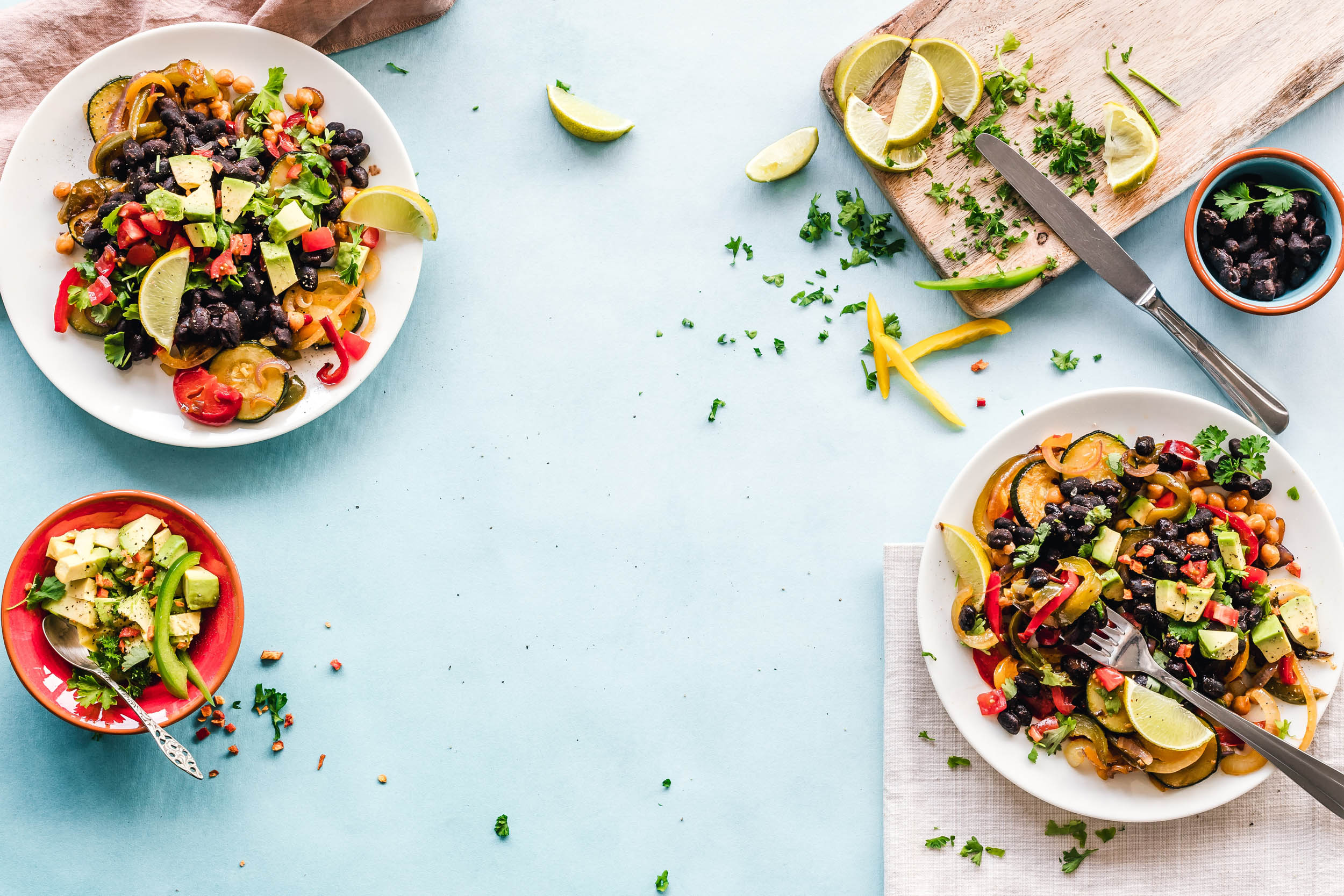
Photo by Ella Olsson on Unsplash

Share
Avatar photo

About Jen Flood

Jen is a lawyer with a J.D. from UBC and a B.Sc. in physics from Queen's University. A vegan for over a decade and an avid cyclist, she joined Earthsave Canada in 2018.

You also might be interested in

VEGAN 2020 documentary overview and discussion

VEGAN 2020 documentary overview and discussion

Feb 8, 2021

VEGAN 2020 is the sixth installment of a Youtube Documentary series released annually by Plant Based News. The film takes us through the year 2020 month-by-month, tracking both the tragedies and advancements within plant-based trends over the course of the global COVID-19 pandemic.

The COP27 blindfold: Eating our way to the abyss

The COP27 blindfold: Eating our way to the abyss

Jan 27, 2023

An insightful guest blog by Cloé Sousa, who interrogates the hypocrisy of the menu at the COP27 Climate Change Conference.

Meat just doesn’t cut it in today’s environment

Meat just doesn’t cut it in today’s environment

Jun 11, 2017

Humans may have evolved as omnivores, but insisting on eating meat today may threaten our very survival.

Donate

Recent Posts

  • United Nations Environment Program: The World is In Grave Danger – But We Can Save It … and Thrive!
  • 2025 State of the Climate Report: A dire reality that we CAN turn around!
  • COP 30: The impacts of animal agriculture on the climate
  • Meat industry influence may lead to biased conclusions in nutrition studies

Follow us

Engage with us on facebook

Earthsave Canada

17 hours 15 minutes ago

:( :( :(

"Birds [who] spent more time at tourist sites were markedly more likely to die, while faster, farther-ranging birds lasted longer."

Ravens that take risks around humans are less likely to survive

A new study shows that fan-tailed ravens living near the Dead Sea are more likely to die when they spend time around humans.

2
View on Facebook
Share

Earthsave Canada

19 hours 22 minutes ago

"o bring some awareness to the state of our planet and its inhabitants, Joan Chan, a comic artist from Hong Kong, started a comic series

Artist Illustrates The Sad Reality Of Animal Cruelty And Shows How Factory Farming Harms Our Planet

Our ocean, land, and the array of species that call it home are succumbing to the poison of plastic. According to the United Nations, at least 800 species worldwide are affected by marine and land debris, and as much as 80 percent of that litter is plastic. It is estimated that up to 13 million metr

1
View on Facebook
Share

Earthsave Canada

22 hours 26 seconds ago

Biofuels, like animal agriculture, are utter insanity on any large scale. "Cheap biofuels are an illusion; someone, somewhere is paying the price through higher food

Why shipping’s cheapest alternative fuel could become its most expensive mistake

Cheap biofuels are an illusion: someone, somewhere is paying the price through higher food prices, deforested lands and disruptive climate impacts, writes Bryan Comer

View on Facebook
Share

© 2026 · Earthsave Canada.