• Why Plant-Based?
    • Overview
    • Sustainability
    • Better health
    • Compassion for animals
  • Resources
    • Virtual speaker series
    • Speakers program
    • Pamphlets
    • Newsletters
  • Blog
  • About Us
    • Who we are
    • Contact us
  • How to Help
    • Join us
    • Donate
  • Subscribe to Newsletter
Earthsave CanadaEarthsave Canada
  • Why Plant-Based?
    • Overview
    • Sustainability
    • Better health
    • Compassion for animals
  • Resources
    • Virtual speaker series
    • Speakers program
    • Pamphlets
    • Newsletters
  • Blog
  • About Us
    • Who we are
    • Contact us
  • How to Help
    • Join us
    • Donate
  • Subscribe to Newsletter

Why Plant-Based?

Did you know that the single most effective action each of us can take to protect the planet, animals, and our own health is simply to choose foods free from animal products such as meat, dairy, and eggs?

It’s true! Read on to learn more about how adopting a plant-based (vegan) diet is the best choice for environmental sustainability, kindness to animals, and better human health.

A plant-based (vegan) diet consists of foods derived from plants, including vegetables and fruits, grains, legumes, nuts, and seeds.

Better Health

It is well-accepted by health experts that a plant-based (vegan) diet can provide all the nutrients you need.

Both the Dieticians of Canada and the U.S. Academy of Nutrition and Dietetics agree that appropriately planned plant-based diets are healthful, nutritionally adequate, may provide health benefits in the prevention and treatment of certain diseases, and are appropriate for all stages of life.

Learn more

Sustainability

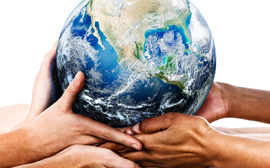
We know that we are living during a climate emergency. Urgent action is needed to reverse global warming and protect the environment from collapse. It is crucial that we not only address our damaging reliance on fossil fuels, but also rapidly transition to a plant-based (vegan) diet. Here’s why.

A diet heavy in animal products is simply not sustainable. It takes far more land, water, and energy to produce meat, dairy products, and eggs than it does to produce an equal amount of calories from healthy plant-based foods. Animal agriculture also causes extreme environmental damage.

Learn more

Compassion for Animals

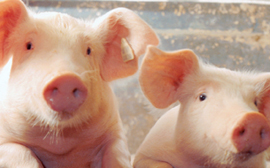
Animals are living, breathing and feeling beings, just like us. We all share the same love of life and the desire to avoid pain. Many of us consider animals like cats and dogs to be family members. Some of us might even describe ourselves as “animal lovers.”

Yet, we treat farmed animals as if they were mere objects or machines that exist for our own use. We bring them into the world only to be kept, almost always, under horrific conditions and then brutally killed at a small fraction of their natural lifespans, so that humans can eat their flesh and reproductive products.

Learn more
Donate

Recent Posts

  • United Nations Environment Program: The World is In Grave Danger – But We Can Save It … and Thrive!
  • 2025 State of the Climate Report: A dire reality that we CAN turn around!
  • COP 30: The impacts of animal agriculture on the climate
  • Meat industry influence may lead to biased conclusions in nutrition studies

Follow us

Engage with us on facebook

Earthsave Canada

12 hours 23 minutes ago

:( :( :(

"Birds [who] spent more time at tourist sites were markedly more likely to die, while faster, farther-ranging birds lasted longer."

Ravens that take risks around humans are less likely to survive

A new study shows that fan-tailed ravens living near the Dead Sea are more likely to die when they spend time around humans.

2
View on Facebook
Share

Earthsave Canada

14 hours 30 minutes ago

"o bring some awareness to the state of our planet and its inhabitants, Joan Chan, a comic artist from Hong Kong, started a comic series

Artist Illustrates The Sad Reality Of Animal Cruelty And Shows How Factory Farming Harms Our Planet

Our ocean, land, and the array of species that call it home are succumbing to the poison of plastic. According to the United Nations, at least 800 species worldwide are affected by marine and land debris, and as much as 80 percent of that litter is plastic. It is estimated that up to 13 million metr

1
View on Facebook
Share

Earthsave Canada

17 hours 8 minutes ago

Biofuels, like animal agriculture, are utter insanity on any large scale. "Cheap biofuels are an illusion; someone, somewhere is paying the price through higher food

Why shipping’s cheapest alternative fuel could become its most expensive mistake

Cheap biofuels are an illusion: someone, somewhere is paying the price through higher food prices, deforested lands and disruptive climate impacts, writes Bryan Comer

View on Facebook
Share

© 2026 · Earthsave Canada.