
• Why Plant-Based?
    • Overview
    • Sustainability
    • Better health
    • Compassion for animals
  • Resources
    • Virtual speaker series
    • Speakers program
    • Pamphlets
    • Newsletters
  • Blog
  • About Us
    • Who we are
    • Contact us
  • How to Help
    • Join us
    • Donate
  • Subscribe to Newsletter
Earthsave CanadaEarthsave Canada
  • Why Plant-Based?
    • Overview
    • Sustainability
    • Better health
    • Compassion for animals
  • Resources
    • Virtual speaker series
    • Speakers program
    • Pamphlets
    • Newsletters
  • Blog
  • About Us
    • Who we are
    • Contact us
  • How to Help
    • Join us
    • Donate
  • Subscribe to Newsletter

Meat and dairy industry backlash against plant-based foods leads to labelling disputes

Meat and dairy industry backlash against plant-based foods leads to labelling disputes

Meat and dairy industry backlash against plant-based foods leads to labelling disputes

October 26, 2020 Posted by Jen Flood

Meat industry lobbyists in the EU recently failed in their attempt to prevent plant-based foods from being labelled with terms such as “burger,” “sausage,” or “steak.” Fortunately, the European parliament rejected their claim that the use of these meat-related terms to describe plant-based products, like “veggie burgers,” is misleading to consumers.

That said, the EU parliament reached a different conclusion regarding plant-based dairy alternatives. Plant-based products already cannot be labelled using dairy-related terms such as “vegan cheese” or “soy milk,” but the new decision goes further, restricting the use of comparative terms like “yogurt-style” or “cheese-alternative.” The Swedish oat milk company Oatly has called this “a wacko, incomprehensible direction to take in the middle of a climate crisis.”

These labelling battles are playing out worldwide, with Tofurky recently bringing a constitutional challenge to a new Louisiana law that prohibits the labelling of plant-based products with terms like “burger” and “sausage.” Similar laws and proposals in other U.S. states are also under dispute. 

Here in Canada, there have not yet been any legislative proposals to ban terms like “veggie burger,” though, like in the EU, the law is more strict when it comes to dairy alternatives. Words like “milk,” “butter,” and “cheese” cannot be used to describe non-dairy products, and in recent years some vegan businesses have come under scrutiny of the Canadian Food Inspection Agency as a result. These restrictions may be challenged in the future, with plant-based advocates arguing that these restrictions violate freedom of expression. 

With the rise in popularity of plant-based foods, backlash from animal exploitation industries is to be expected. Their market share is under threat as, more and more, the public is rejecting the environmentally destructive and cruel meat, dairy, and egg industries. It seems clear that the recent attacks on “veggie burgers” and dairy alternatives are not really about protecting consumers from being misled. On the contrary, as Oatly notes, the labelling restrictions actually make it more challenging for consumers to make informed decisions: 

Consider this. If a liter of cow’s milk generates 293% more greenhouse gas emissions than a liter of oat drink, doesn’t it make perfect sense that the number one priority of all those milk lobbyists is to forbid this weakness from being exposed? And when the Milk Lobby decides to flex its protein-rich muscles we all know what happens—the public loses out. How will consumers now be able to easily compare different food products in order to make more informed decisions about what they eat?

Much like ag-gag legislation, the labelling battles appear to be a clear attempt to silence those who are bringing the harms of animal products and the benefits of plant-based products to the public’s attention. 


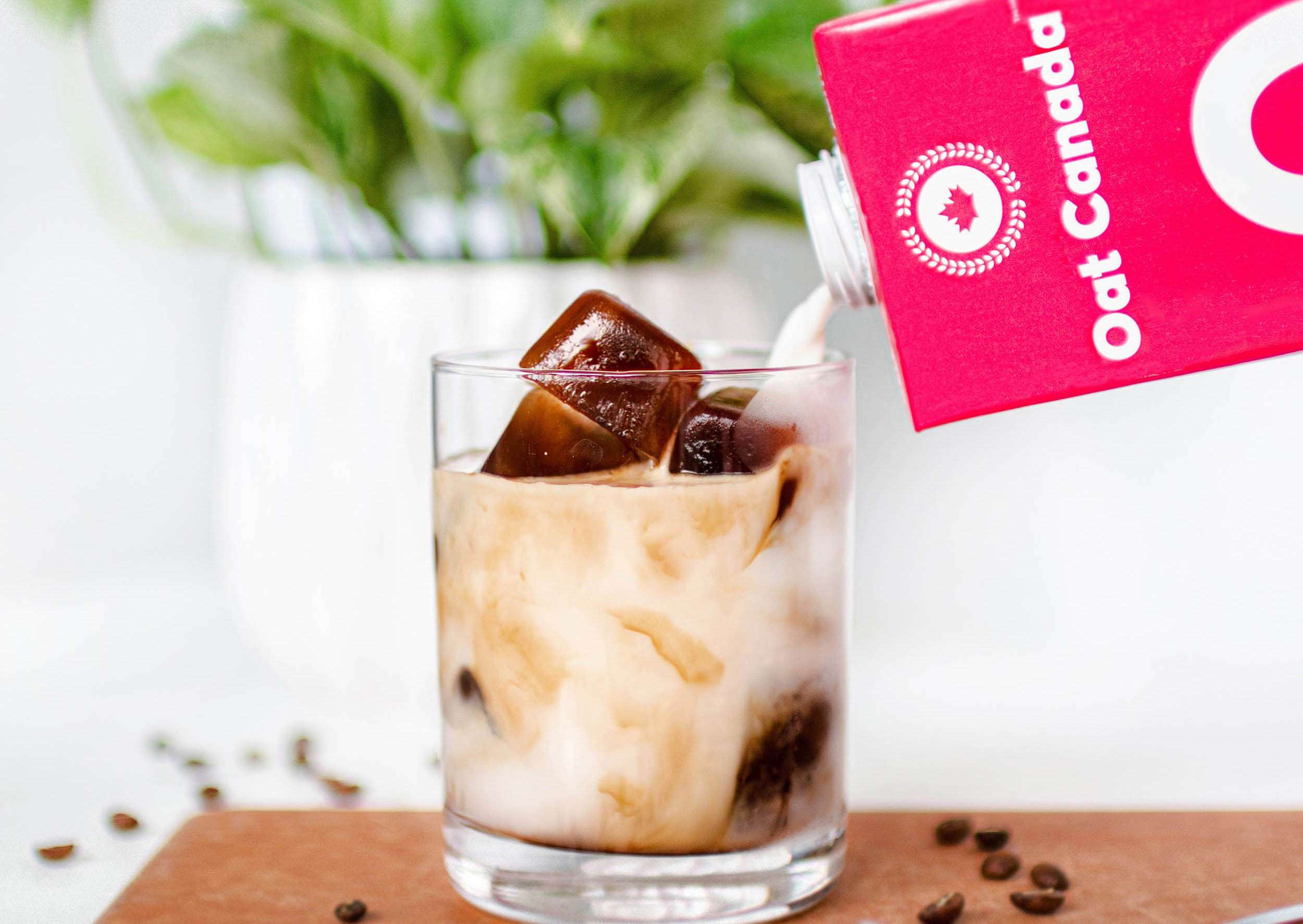
Photo by Oat Canada on Unsplash

Share
Avatar photo

About Jen Flood

Jen is a lawyer with a J.D. from UBC and a B.Sc. in physics from Queen's University. A vegan for over a decade and an avid cyclist, she joined Earthsave Canada in 2018.

You also might be interested in

2023 in review: Plant-based movement offers hope in the face of bleak environmental outlook

2023 in review: Plant-based movement offers hope in the face of bleak environmental outlook

Jan 4, 2024

Even as 2023 saw record-breaking global temperatures, global efforts to tackle the climate crisis have largely failed to acknowledge the need to transition our food system to more sustainable, compassionate and healthy plant based diets. However, there has been some positive progress. This blog recaps some of the year’s significant events, with links to many of our blog posts from 2023.

Hunting is nothing like a sustainable food choice

Hunting is nothing like a sustainable food choice

Nov 30, 2021

Some people argue that hunting is more sustainable than animal farming. In reality, neither is a feasible way to feed humans in even the medium-term future.

How oily is your food?

How oily is your food?

May 14, 2016

Sixty years ago, we used only 1/4 as much oil, per person, to produce our food as we do now. In the not-too-distant future we will have no choice but to do with a lot less than that. Let's do our very best to make sure the transition is as painless as possible.

Donate

Recent Posts

  • United Nations Environment Program: The World is In Grave Danger – But We Can Save It … and Thrive!
  • 2025 State of the Climate Report: A dire reality that we CAN turn around!
  • COP 30: The impacts of animal agriculture on the climate
  • Meat industry influence may lead to biased conclusions in nutrition studies

Follow us

Engage with us on facebook

Earthsave Canada

Earthsave Canada

1 day 3 hours ago

"For centuries we have assumed that our complex language, sophisticated technologies, extensive social networks and other attributes puts us in a class of our own.

1
View on Facebook
Share
Earthsave Canada

Earthsave Canada

1 day 5 hours ago

"Ethics demand we question: if alternatives abound, why perpetuate harm? Humane Foundation Article on Ethics Beyond Politics argues sentience—proven in animals via pain receptors, memory,

1
View on Facebook
Share

Earthsave Canada

1 day 8 hours ago

"This shift follows the 2024 update to the country’s national nutrition guidelines, which focused on foods that benefit both health and the environment. Recent data

Finland sees tofu sales soar following new nutrition guidelines

Finland's plant-based market is experiencing a surge as official health recommendations encourage citizens to swap sausages for soy and lentils.

1
View on Facebook
Share

© 2026 · Earthsave Canada.