
• Why Plant-Based?
    • Overview
    • Sustainability
    • Better health
    • Compassion for animals
  • Resources
    • Virtual speaker series
    • Speakers program
    • Pamphlets
    • Newsletters
  • Blog
  • About Us
    • Who we are
    • Contact us
  • How to Help
    • Join us
    • Donate
  • Subscribe to Newsletter
Earthsave CanadaEarthsave Canada
  • Why Plant-Based?
    • Overview
    • Sustainability
    • Better health
    • Compassion for animals
  • Resources
    • Virtual speaker series
    • Speakers program
    • Pamphlets
    • Newsletters
  • Blog
  • About Us
    • Who we are
    • Contact us
  • How to Help
    • Join us
    • Donate
  • Subscribe to Newsletter

Canadian government invests in plant-based food innovation

Canadian government invests in plant-based food innovation

Canadian government invests in plant-based food innovation

July 13, 2020 Posted by Jen Flood

The Canadian government recently announced a nearly $100 million investment in a new plant-based protein production facility. 

During his June 22, 2020 update on the federal government’s response to the ongoing COVID-19 pandemic, Prime Minister Trudeau announced (at 03:49):

As people around the world start eating more plant-based products, we have an opportunity to bring together Canadian innovation and Canadian crops and a chance to create good, well-paying jobs. We’ve already invested in this space with the prairies-based Protein Industries supercluster supporting thousands of jobs but this industry is growing fast, so we’re not stopping there.

Today I can announce that our government is contributing almost a hundred million dollars for the new Merit Functional Foods location in Winnipeg. This facility will be a world leader in plant-based proteins and will create good jobs in a fast growing field. And by using 100% Canadian inputs, it will also support farmers who produce the canola and yellow peas used in Merit’s products.

According to Merit Functional Foods, the new facility, which is currently under construction and set to be operational by the end of this year, will extract high-quality protein from Canadian-sourced peas and canola for use in plant-based food products. It is said to be the world’s first commercial facility with the capability to produce food-grade canola protein. 

The uses for canola and pea-based proteins include dairy alternatives, protein shakes and bars, baked goods, and meat, seafood, and egg alternatives. While these products are not necessary for a healthy and balanced plant-based diet, many people enjoy them for convenience or to replicate animal-based products that they used to enjoy. 

The Merit project previously received a co-investment from Protein Industries Canada, an industry-led, not-for-profit organization created to position Canada as a global source of high-quality plant protein and plant-based co-products. 

Protein Industries Canada is one of Canada’s five new “innovation superclusters” in which the Canadian government is making strategic investments. The goal of the Protein Industries Canada supercluster is to “challenge Canadian businesses to collaborate with other businesses, and post-secondary and research institutions to create projects that have the potential to transform the food processing sector in Canada, creating jobs and stimulating local economies.”

The government’s effort to support and accelerate innovation in plant-based foods is exciting and welcome news, as the evidence overwhelmingly shows that producing protein from plants takes far less land, water and energy than producing protein from animals, and of course spares animals from the cruelties inherent in animal agriculture. The announcement also comes at a time when recent surveys suggest people have become even more interested in plant-based alternatives to meat during the COVID-19 pandemic.

You may wish to contact your MP to let them know this is a move in the right direction and you want to see even more investment in plant-based food innovation.


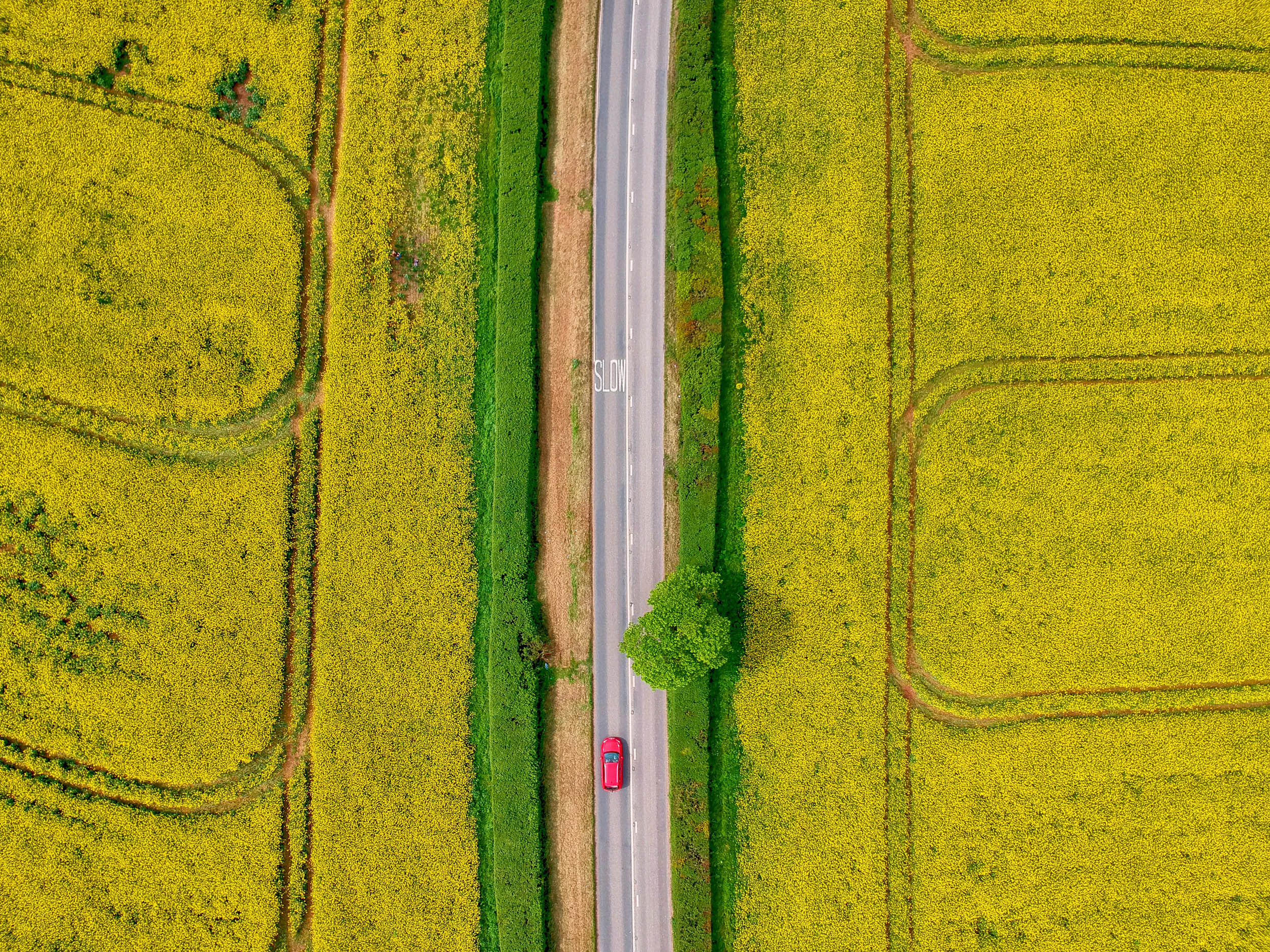
Photo by Red Zeppelin on Unsplash

Share
Avatar photo

About Jen Flood

Jen is a lawyer with a J.D. from UBC and a B.Sc. in physics from Queen's University. A vegan for over a decade and an avid cyclist, she joined Earthsave Canada in 2018.

You also might be interested in

Meat and dairy industry backlash against plant-based foods leads to labelling disputes

Meat and dairy industry backlash against plant-based foods leads to labelling disputes

Oct 26, 2020

It seems clear that the recent attacks on “veggie burgers” and dairy alternatives are not really about protecting consumers from being misled.

CBC’s coverage of plant-based issues is all too often outrageously flawed

CBC’s coverage of plant-based issues is all too often outrageously flawed

Feb 22, 2024

Our national broadcaster is doing serious public harm by misinforming us about the importance of and the science behind moving to plant-based diets

Plant-Based Pooches: The benefits of a meat-free diet for dogs

Plant-Based Pooches: The benefits of a meat-free diet for dogs

Nov 2, 2020

The commercial plant-based dog foods available today do an excellent job at meeting the nutritional needs of our dogs, without the deleterious environmental, health, and animal welfare impacts of meat-based dog foods.

Donate

Recent Posts

  • United Nations Environment Program: The World is In Grave Danger – But We Can Save It … and Thrive!
  • 2025 State of the Climate Report: A dire reality that we CAN turn around!
  • COP 30: The impacts of animal agriculture on the climate
  • Meat industry influence may lead to biased conclusions in nutrition studies

Follow us

Engage with us on facebook

Earthsave Canada

17 hours 33 minutes ago

:( :( :(

"Birds [who] spent more time at tourist sites were markedly more likely to die, while faster, farther-ranging birds lasted longer."

Ravens that take risks around humans are less likely to survive

A new study shows that fan-tailed ravens living near the Dead Sea are more likely to die when they spend time around humans.

2
View on Facebook
Share

Earthsave Canada

19 hours 40 minutes ago

"o bring some awareness to the state of our planet and its inhabitants, Joan Chan, a comic artist from Hong Kong, started a comic series

Artist Illustrates The Sad Reality Of Animal Cruelty And Shows How Factory Farming Harms Our Planet

Our ocean, land, and the array of species that call it home are succumbing to the poison of plastic. According to the United Nations, at least 800 species worldwide are affected by marine and land debris, and as much as 80 percent of that litter is plastic. It is estimated that up to 13 million metr

1
View on Facebook
Share

Earthsave Canada

22 hours 18 minutes ago

Biofuels, like animal agriculture, are utter insanity on any large scale. "Cheap biofuels are an illusion; someone, somewhere is paying the price through higher food

Why shipping’s cheapest alternative fuel could become its most expensive mistake

Cheap biofuels are an illusion: someone, somewhere is paying the price through higher food prices, deforested lands and disruptive climate impacts, writes Bryan Comer

View on Facebook
Share

© 2026 · Earthsave Canada.