Hey all! As a recent university graduate, there are few things I know better than how to eat vegan on a budget, while still choosing healthy, whole-food options! With SARS-CoV-2 causing so many layoffs, budgets are even tighter as of late, so I thought I’d share some of my go-to tips and tricks about how to eat vegan without breaking the bank.
Bulk Shopping:
Bulk shopping for vegan staples is a great way to reduce costs. Unfortunately for me and my 650 sq ft apartment, having a place to store bulk food can be a problem! With limited space, we can’t get too many bulk items, so what we prioritize is nutritional yeast (from OmFoods or Bulk Barn), a 2L soy sauce jug and brown rice from Hannam Market, and we often get cases of bananas that we freeze to eat as nice cream. If you’re feeling personable, you can try to ask your local produce manager if they have any spotty (ripe and sweet!) bananas they’re about to get rid of and offer to buy them at half price by the case or bunch. Your go-to vegan bulk items may be different based on what your chosen staples are, and how much space you have to store them. Lots of bulk vegan staples can be found online from retailers like OmFoods, or in the Vancouver area at stores like Bulk Barn & Nada Grocery. Bulk Barn is also our favourite place to get spices on a budget! Just don’t forget your reusable bags & jars!
Meal Prep:
Having food ready to go can help cut down expenses by using inexpensive, staple bulk food purchases, as well as encouraging you to save money by eating at home instead of spending it eating out.
Brown rice, cooked or canned beans, frozen bananas, and frozen berries are items we always have on hand and use weekly. We make 3 cups of dry brown rice about twice a week and keep it in a big tupperware in the fridge to add to meals as a base. Even for breakfast! Brown rice chia seed pudding with fruit is one of my morning favourites. We also like to cook a big batch of beans to keep in the fridge and use throughout the week. We switch up the type of beans each week for diversity and different nutrients. We also freeze spotty, discount bananas to have on hand in smoothies or as nice cream since they’re among the most inexpensive fruits. We also love ‘naturally imperfect’ frozen fruit, because not only are they far less expensive, but it helps to divert delicious, healthy food from otherwise going to landfills. These frozen fruits are quick, healthy, and easy additions to smoothies, oatmeal, rice, and other inexpensive staple meals.
There are also some great, local plant-based meal prep services here in Vancouver like GoMae Meal Prep & Plantedmeals if you’re interested in tasty vegan food but don’t have time to meal prep yourself, or if you want to try vegan options to explore what you like without the effort of making dishes yourself. These two meal prep services are completely vegan, and you can pause your subscription at any time.
Grow your own!:
Growing or foraging food can be a great way to supplement some of your food budget. Around Vancouver we’re blessed with an abundance of wild berries, figs, and herbs that can be foraged in summer months. You can map your own locations of edible food to forage around your neighbourhood using MyMaps from Google, use international maps like FallingFruit, or register with a fruit gleaming community like Vancouver Fruit Tree.
Gardening your own fruit and veg could also be another great option, but since I live in an apartment and haven’t yet set up a raised garden bed, I can’t speak to it. What I can offer, however, is a way to grow food indoors, year round, even in an apartment! This winter I’ve had a consistent supply of sprouts that I keep by my sunny apartment window. With a supply of inexpensive beans and seeds (I prefer mung beans & broccoli seeds), a nut bag, and a glass jar, I’ve been able to save hundreds of dollars by making my own sprouts instead of buying them from the grocery store for $3.99 per clamshell. The sprouts offer a nutritious, delicious addition to many dishes and keep for about a week in the fridge.
Food Banks:
With more vegan options available in grocery stores, and more people aware of veganism as a dietary preference, accessing vegan food through food banks and similar services is now a feasible reality. I’ve used food banks in both Edmonton and Vancouver and think it would be helpful for people to know that vegan options are available at these food access points, to a degree.
Food banks all over Canada can usually accommodate a vegan preference. Even if they don’t always get it 100% right, as I’ve experienced, an attempt is made. This could be improved over time with more input and feedback, but it’s progress. In Edmonton, I’d receive a hamper to last a few weeks with lots of fresh produce, canned goods, and sometimes even non-dairy milk after indicating my vegan preference (and explaining “no eggs, no dairy [yogurt, cow milk, cow cheese], no meat please 🙂 !”). Staples like pasta, peanut butter, pasta sauce, beans, and rice were usually included and are of course plant-based. When I did still receive eggs and dairy products in my hamper, I’d leave them at the extra/trade area. Unfortunately this meant about 50-75% less food than other hampers, but it was still very helpful for me. The Greater Vancouver food bank differs in that users can pick their own items to take home. Options usually consist of 50% produce, and 50% dairy or pantry items, so you can check labels yourself to see what is vegan or not.
Loyalty Points:
Who doesn’t love free money? Many grocery stores offer loyalty points or have a loyalty system where you can accumulate points with your regular purchases, then use them at that store to pay for food. Over the years of having my Optimum/PC Plus account, I’ve saved over a thousand dollars on groceries without any extra effort. If you haven’t yet redeemed your loyalty points, now may be a useful time to do so.
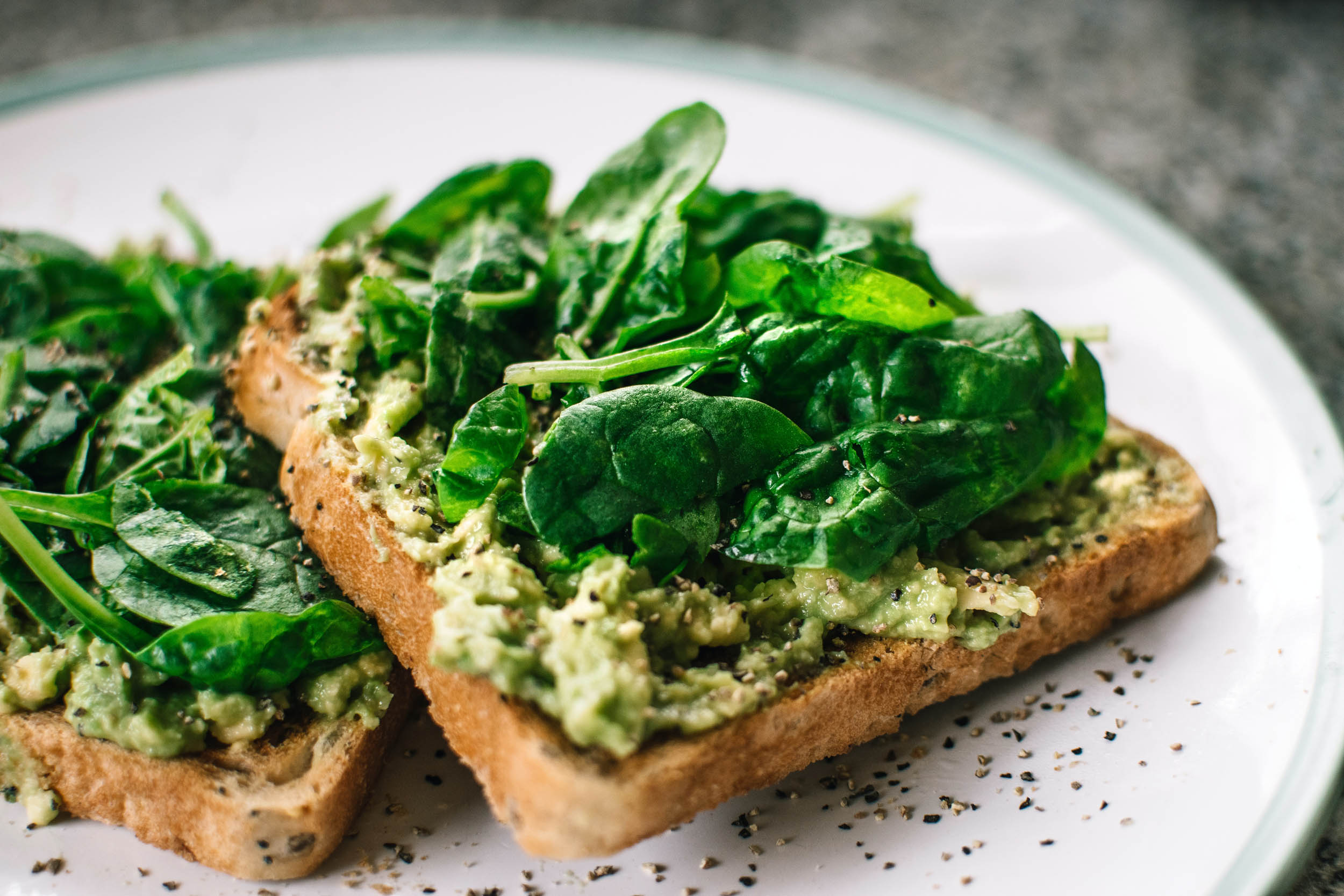
Photo by Lisa Fotios from Pexels